Top 10 International Payment Processors for US LLCs

Establishing a U.S. LLC provides a gateway to international business. The challenge arises when you need to receive payments from clients across the globe.

Whether you sell on Shopify, run an Amazon FBA store, offer SaaS subscriptions, or freelance, an international payment processor is crucial to your business.

The ideal payment processor for U.S. LLCs facilitates receiving payments in multiple currencies, performs automatic fraud prevention, integrates with Amazon, eBay, Shopify, WooCommerce, and more, and handles multi-currency payment acceptance, automatic fraud prevention, integration with Amazon, eBay, Shopify, WooCommerce, and more, as well currency conversion.

Let’s explore the Top 10 International Payment Processors for US LLCs owners, focusing on non-U.S. residents looking to scale internationally.

1. Stripe
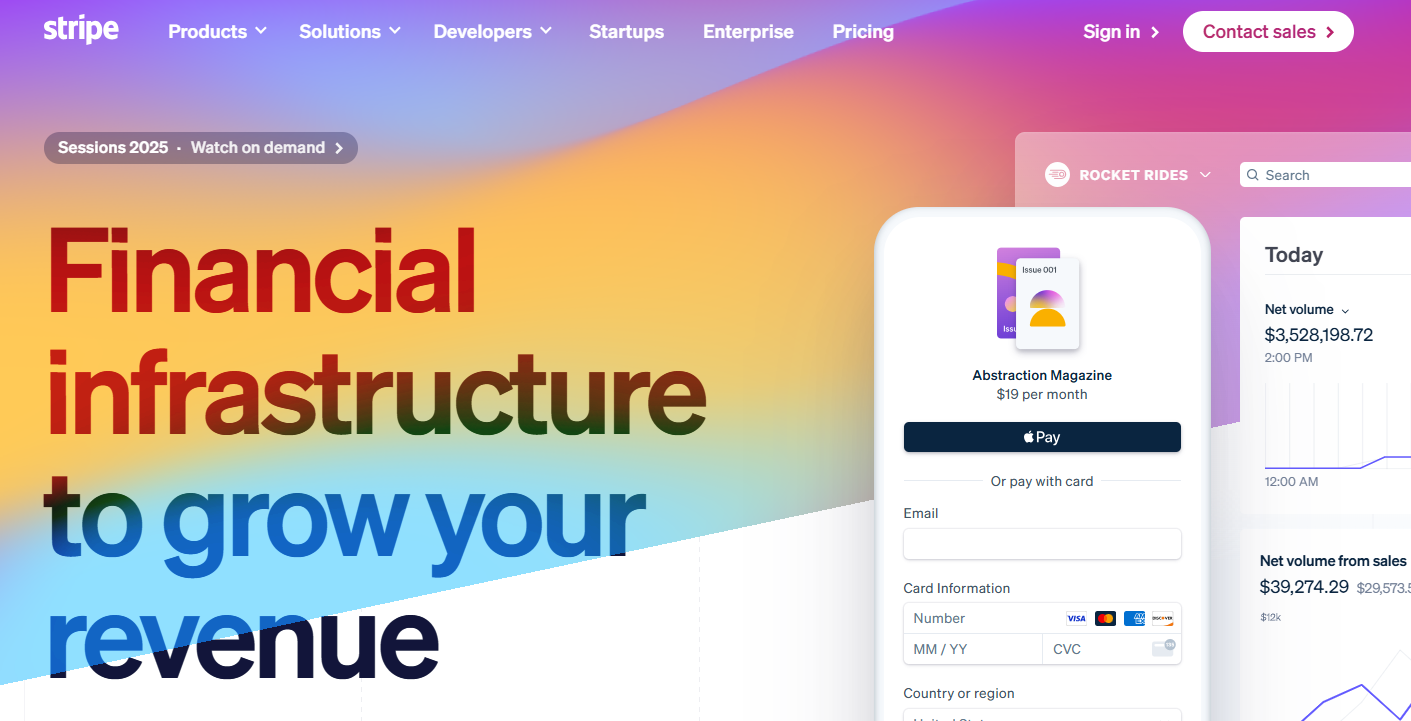
Stripe

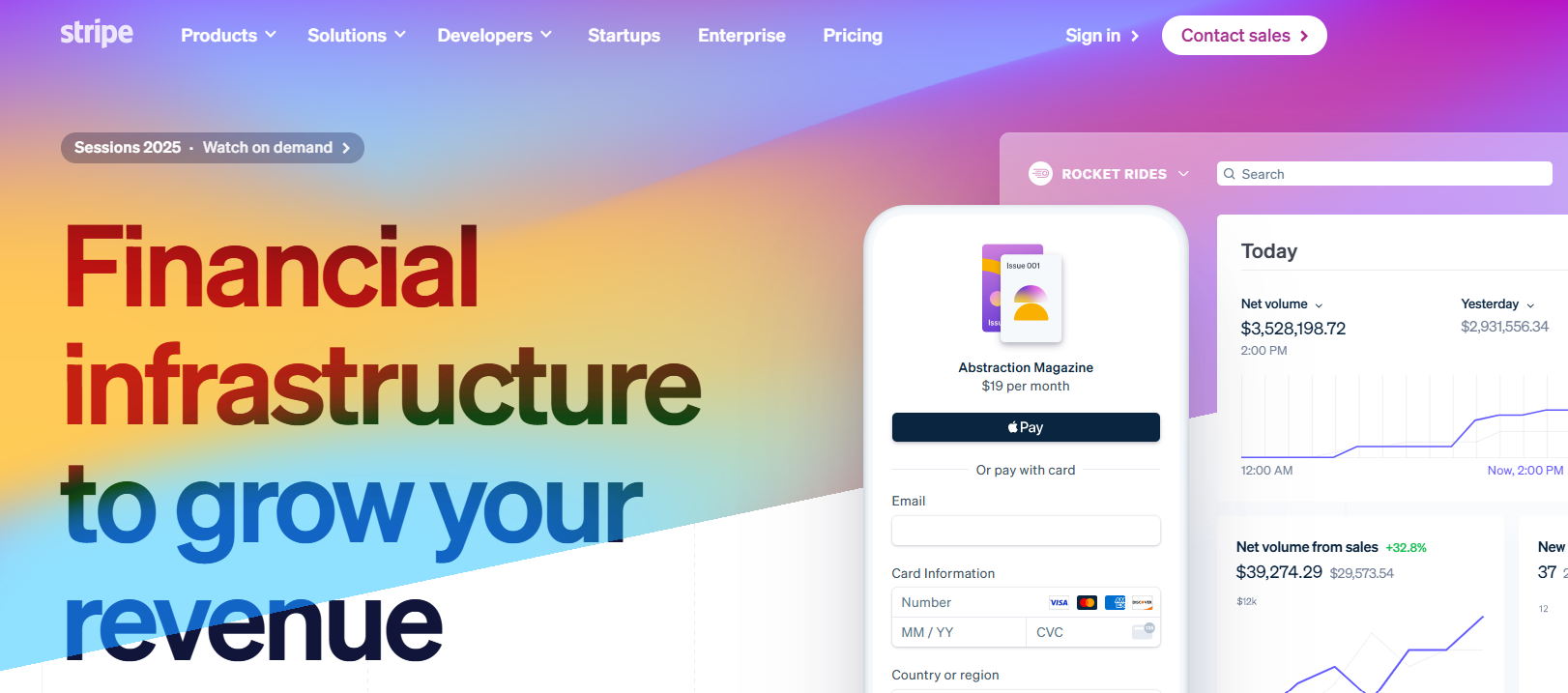
Due to its payment flexibility and scalability, stripe is one of the most reputable names in online payments. Startups and rapidly expanding businesses prefer Stripe.

Coverage & Currencies: Stripe facilitates more than 50 payment methods, including credit card and debit card payments, Apple Pay, Google Pay, ACH, and in some regions, buy now pay later services. Stripe supports over 135 currencies.

Pricing: Standard fees begin at $2.9% plus $0.30 for each transaction within the U.S. Stripe incurs an additional 1% charge for international cards. Furthermore, an additional 1% will be charged if currency conversion is needed.

Strengths: Stripe’s most notable advantage is the payment flows, subscriptions, marketplace integration, and managed payments that can be done with split payments for several vendors because of the API. This is in addition to Stripe Radar, which is an advanced system for fraud detection that is included.

Limitations: Stripe is not offered in every country. Entrepreneurs outside the US typically require a US based LLC and bank account in order to be approved.

Best For: SaaS focused tech companies, subscription based platforms, and e-commerce stores, and tech driven companies that need customization.

💡 Example: An Indian entrepreneur uses Bizstartz to create a U.S. LLC, opens a Stripe account and then connects it to Shopify. This allows them to seamlessly sell to US clients, while Stripe auto converts payments into USD and deposits them into their US bank account.

2. PayPal

PayPal is a household name and highly regarded as one of the most reliable payment processors in the world. It has over 400 million users, which is a testament to the security that it offers and it can boosts a checkout conversion rate.

Coverage & Currencies: Over 200 countries are serviced, and from these countries, payments in over 25 currencies is supported.

Pricing: There are charges of 2.9% + 0.30 for domestic transactions. International transactions incur an additional 1.5% fee, and approximately 2.5% for currency conversion.

Strengths: Easy setup, broad adoption, and smooth connections to eBay, Amazon, and Shopify. PayPal also provides buyer and seller protection, which fosters trust between you and your customers.

Limitations: Increased costs for international transactions, potential account restrictions, and account freezes due to unusual activity.

Best For: Freelancers and small online stores. Anyone looking for instant trust and recognition at checkout from users across the globe.

💡Example: A freelancer from Nepal with a US LLC can invoice US clients through PayPal. Freelancers receive payment through PayPal, and funds are converted to USD and can be easily transferred to a US bank account.

3. Square

Besides its prominent reputation for innovative point-of-sale systems in the US, Square has also developed a strong online payment system.

Coverage & Currencies: Square has a limited operating scope, only in US, UK, Canada, Japan, Australia, Ireland, France, and Spain.

Pricing: For online payments, 2.9% + 0.30. For keyed in card payments, pricing shifts to 3.5% + 0.15.

Strengths: Offers a comprehensive ecosystem that includes a POS system, online store, invoice management, payroll, and inventory management. Ideal for businesses with physical and online locations.

Limitations: Geographically limited. Businesses that target markets outside of these areas may find Square unsuitable.

Best For: Restaurants, cafés, retail, and service businesses. Also, U.S. LLCs intending to operate in-person locations in the U.S.

💡 Example: Pakistan-based clothing brand owner creates a U.S. LLC and sells through Shopify. While attending trade fairs in the U.S., they use Square POS for in-person card payment transactions.

4. Worldpay (FIS)
Worldpay

Worldpay is one of the oldest and largest payment processors, trusted by enterprises worldwide. It is particularly well-known for high-volume, cross-border payment processing.

Coverage & Currencies: Worldpay operates in 146 countries, supporting 135 currencies and a wide array of local payment methods.

Pricing: Worldpay offers tailored pricing based on industry, sales, and transaction volumes.

Strengths: Worldpay offers a robust infrastructure with industry leading fraud and compliance solutions and effortlessly handles large-scale international transactions.

Limitations: Onboarding can be a lengthy process, and the service is best for medium and large businesses.

Best For: International and cross-border e-commerce, high-volume merchants, and global enterprises.

💡 Example: A USA based LLC managing a dropshipping business that sells in North America, Europe and Asia can use Worldpay to accept and process payments in different currencies without any hassle.

5. Adyen

Adyen processes payments for large companies like Uber, Spotify, and Microsoft. It focuses on businesses looking to expand globally but would still like to offer region-specific payment options.

Coverage & Currencies: Adyen has a wide scope covering over 150 countries and pays in more than 200 currencies. It also supports local payment methods like iDEAL from Netherlands and Boleto from Brazil.

Pricing: Adyen charges a base fee and a payment processing fee. It varies based on the payment method. Some payment methods charge a flat fee of 0.13 then add on processing fee of 2-3%.

Strengths: DCC, real time reporting, unified commerce, and other payment methods combined with Betfair.

Limitations: Businesses that lack a robust application and approval process will struggle with Adyen.

Best For: It would be most beneficial to enterprises, international fast growing companies and marketplaces.

💡 Example: Adyen is best suited for US LLCs selling software throughout the world where they offer payments in Euros, Asia and Latin America and paying in local methods instead of solely on credit cards.

6. 2Checkout (Verifone)
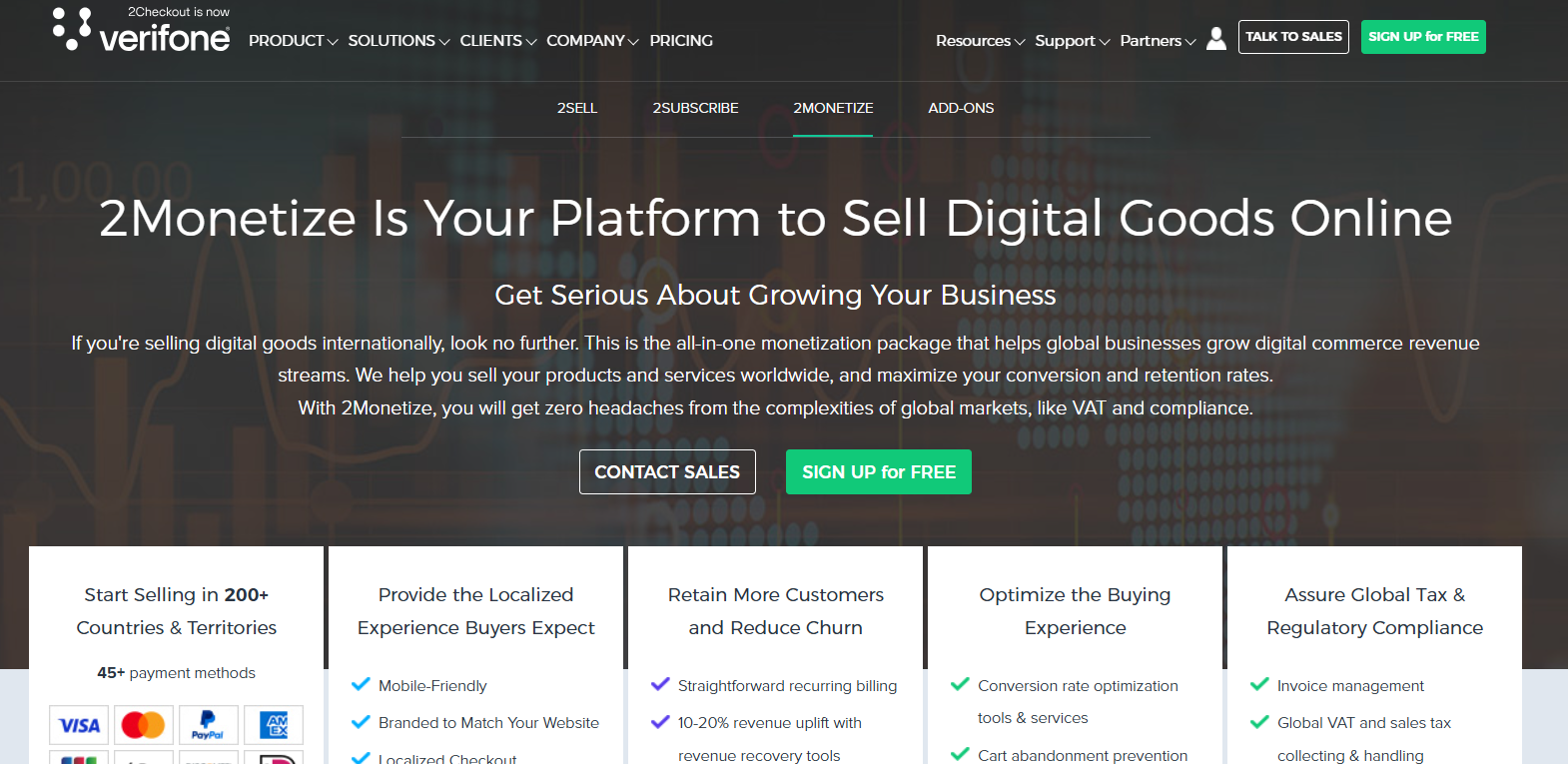
verifone

Verifone has taken over 2Checkout and they continue to be very welcoming to global users, especially for digital merchants.

Coverage & Currencies: 2Checkout supports over 200 countries, over 100 currencies and 45 payment methods.

Pricing:
– 2Sell Plan: 3.5% + $0.35
– 2Subscribe Plan: 4.5% + $0.45
– 2Monetize Plan: 6% + $0.60

Strengths: These are ideal for businesses that sell digital products, software, online courses, or any other service with recurring payments. These are good for managing global taxes and VAT compliance, too.

Limitations: Costs are higher than those of competitors, Stripe and PayPal.

Best For: Companies providing Software as a Service (SaaS), digital courses, or international service providers.

💡 Example: Online education businesses with a U.S. LLC can use 2Checkout for global course sales, subscription management, and VAT compliance.

7. Braintree

Braintree is a subsidiary of PayPal. It offers more comprehensive solutions, providing more flexibility than PayPal alone.

Coverage & Currencies: 45+ countries and over 130 currencies.

Pricing: 2.59% + $0.49 with an additional 1% for international cards.

Strengths: PayPal, Venmo, Apple Pay, and Google Pay acceptance, to name a few. Strong mobile applications and subscription billing for other service providers.

Limitations: Paypal-like approval processes.

Best For: Tech-oriented businesses, marketplaces, or mobile-first startups.

💡 Example: U.S. LLC mobile app subscription businesses use Braintree for global payments via Apple Pay and Google Pay.

8. Checkout.com
checkout

Checkout.com is a modern payment processor for global enterprises.

Coverage & Currencies: Checkout.com processes payments in over 45 countries and supports 150+ Currencies.

Pricing: Checkout.com processes payments with Interchange++. Pricing transparency is high, but differs by business type.

Strengths: Checkout.com offers fraud prevention, real-time data analytics, and a modern API-based infrastructure.

Limitations: Companies with fluctuating sales volume may not find it effective.

Best For: Mid market businesses with significant sales volume and a need for global reach.

💡 Example: Checkout.com helps a high volume Shopify store LLC in the US save on cross-border fees through real-time analytics.

9. Payoneer

Freelancers, marketplaces, and businesses that operate globally often use Payoneer.

Coverage & Currencies: Has a presence in over 200 countries and offers virtual receiving accounts in USD, EUR, GBP, and others.

Pricing: Payoneer has a fee structure in place wherein credit card payments attract a fee of approximately 3% and transactions between Payoneer accounts attract a lower fee.

Strengths: Receiving payments from U.S. companies like Amazon, eBay, Upwork, and Fiverr is seamless. Offers working capital loans for e-commerce sellers.

Limitations: Advanced point of sale systems and in-store payments are not covered.

Best For: Service providers, freelancers, and e-commerce sellers.

💡 Example: A seller on Amazon FBA based in Nepal sets up a US LLC and uses Payoneer to access US virtual accounts for payments, bypassing expensive international transfer costs.

10. Elavon
Elavon

For decades, Elavon has been a subsidiary of U.S. Bancorp, and has ventured into providing vertical market payment systems.

Coverage & Currencies: Available in over 30 countries and supports 135 currencies.

Pricing: Set price based on industry and business type.

Strengths: Offers DCC, multilingual customer support, and tailored for hospitality, healthcare, and retail businesses.

Limitations: Less friendly to startups.

Best For: Global expansion focused retail, hospitality, and healthcare businesses.

💡 Example: An Elavon hotel management system LLC based in the U.S. region allows guests to pay in different currencies which are automatically converted.

Key Takeaways for U.S. LLC Owners

Stripe & PayPal → Ideal for freelancers, startups, or online shops.

Square → Best for physically online hybrids.

Worldpay, Adyen, Checkout.com → Best for global high volume enterprises.

2Checkout and Braintree → Best for SaaS, mobile apps, and other digital service providers.

Payoneer → Best for freelancers and those selling on Amazon and eBay.

Elavon → Best for reservation and industry specific businesses such as hotels, and healthcare.

👉 You can form a U.S. LLC and get a PayPal or Stripe business account in under one hour. Even with account restrictions from your country, Bizstartz helps you bypass these hurdles.

How Bizstartz Helps You Set Up a U.S. LLC and Get Payment Processors

Having a PayPal or Stripe payment processor account can be complicated for business owners based outside the U.S. that do not hold a U.S. LLC, but with a U.S. LLC, these payment processors can be accessed easily.

Obtaining payment processors can be quite tedious for a non-U.S. resident. These payment processors have strict requirements like a business entity, a registered EIN (Employer Identification Number), and a business bank account in the U.S. to even consider an application. Without these, your application might get denied.

This is where we come into play with Bizstartz. We assist founders with all steps of setting up a business in the United States:

  • U.S. LLC Formation: We assist in registering the company in the state of choice by the client.
  • EIN Application: We help in acquiring taxation identification number with the IRS which is a must for opening the required accounts.
  • U.S. Business Bank Account: Bizstartz assists in opening a bank account remotely for the clients even if they do not reside in the United States.
  • Payment Processor Setup: After the LLC and the bank account is active, we help in the guides for setting up stripe, paypal, payoneer and other payment processors which are best for the clients business.
  • Ongoing Support: Bizstartz offers ongoing support for BOI filing and bookkeeping, ensuring that the client’s U.S. LLC is compliant.

👉 You not only get a company with us, also get a complete operational business in the US that supports receiving global payments with no inconvenience.

Related Guides

A payment processor needs an EIN and a US business account behind it. We set up the whole stack.

Documents Required to Export Products from Nepal to the USA

Exporting goods from Nepal to the United States is more than just loading a container, it involves following a global trade system that emphasizes compliance, transparency, and precision at every step.

The U.S. continues to be among Nepal’s leading export markets, especially for fine products like handmade carpets, luxurious pashmina scarves, intricate handicrafts, specialty teas and coffees, aromatic spices, striking jewelry, and stylish garments.

Before a single product appears on U.S. shelves or online stores, it must clear a pathway marked by strict paperwork and approvals. These documents are vital for U.S. customs, for compliance with foreign-exchange regulations, and for assuring U.S. buyers that the shipment is authentic and up to standard.

This guide will walk you through, document by document, all that’s necessary to export products from Nepal to the USA, step by step.

1. Obtain Nepal Export License

export license

First and foremost, every exporter must secure an Export License, the foundational permit that grants legal permission to ship goods outside national borders. Without this document, customs in Nepal will not authorize your shipment, halting any further processing.

  • Issued by: Department of Customs / Department of Commerce, Supplies, and Consumer Protection
  • Purpose: This license proves that the exporter is recognized by the government and that exit of goods is done legally.
  • Example: Planning to ship Nepali tea or pashmina abroad? Secure this license before letting the shipment leave the dock.

👉 The export license doesn’t just fulfill a legal requirement. It opens doors to tax rebates and export incentives, letting you save real money.

2. Firm/Business Registration Certificate

Every exporter needs a legally registered business. The Firm Registration Certificate is your official proof that the company exists.

  • Issued by: Company Registrar’s Office or by local municipalities, in case you are a sole proprietor.
  • Purpose: This document is necessary to sign export contracts, negotiate rates with freight forwarders, and clear goods with customs.
  • Example: Customs officials will check this certificate before allowing your shipment of handmade jewelry to leave the country.

👉 Without this proof, you can’t enter a contract or negotiate a deal with a buyer in the U.S. or anywhere else.

3. VAT/PAN Registration

Register your business for both VAT (Value Added Tax) and PAN (Permanent Account Number). These registrations are key for staying compliant with Nepali tax laws and for accurate financial reporting.

Purpose:

  • PAN Compliance: Obtaining a Permanent Account Number (PAN) is vital for tax identification, ensuring your business is ranked correctly for income tax in Nepal.
  • VAT Registration: Exporters who register for Value-Added Tax (VAT) can reclaim tax paid on goods leaving Nepal.

Advantage: VAT-registered exporters benefit from discounts and outright returns of tax paid on inputs.

👉 Example: If you send handicrafts worth $20,000, your VAT status lets you apply for a refund, thus keeping more cash in your business and side-stepping double tax.

4. Commercial Invoice

The Commercial Invoice is a must-have for international shipping. Acting as both a sales bill and a binding agreement, it is required by Nepali and U.S. customs for clearance.

Key details to include:

  • Names and addresses of both exporter and importer
  • Harmanized System (HS) code of the goods
  • Unit price plus total value
  • Payment terms (FOB, CIF, etc.)
  • Country of origin of the shipment.

For instance, shipping 500 pashmina shawls means your invoice must list 500 as quantity, set a price per shawl, the HSBC code (6505 for shawls), and the business terms you settled on.

👉 U.S. customs uses this file to calculate import duties and to check if your shipment meets legal import rules.

5. Packing List

While the Commercial Invoice covers the money side, the Packing List lays out the shipment physically.

Shipping documentation can make or break your export success. Here are some key documents that you must have to keep your shipment moving smoothly.

The packing list gives details about your shipment, including:

  • Number of cartons, boxes, or pallets
  • Weight and volume of each package
  • Marks and labels on packages
  • Handling instructions

Example: If you are shipping carpets, list how many rolls you have, their exact dimensions, and both net and gross weight.

👉 Without this document, customs can hold up clearance while they check your shipment physically, costing you time and money.

6. Certificate of Origin (COO)

The Certificate of Origin proves that your goods were manufactured in Nepal. U.S. buyers often request this document to save on tariffs and to confirm product authenticity.

Example: Many U.S. buyers of handmade Nepali carpets ask for a COO to ensure that the products are genuinely Nepal-origin.

👉 The COO is critical: some products from Nepal qualify for duty-free access under U.S. trade preference programs, and without the COO, you lose that benefit.

7. Bill of Lading or Airway Bill

The Bill of Lading (B/L) for sea shipments or the Airway Bill (AWB) for air shipments is the transport contract between you and the carrier. Here’s what you need to remember:

Bill of Lading (Sea): Use this when you’re loading big ocean containers, like those full of carpets or garments.

Airway Bill (Air): Handy when you’re flying smaller, high-value shipments like jewelry or handicrafts.

Purpose:

  • Proves who owns the cargo while it’s on the move.
  • Banks need it so they’ll pay you using a Letter of Credit.
  • Customs in both the origin and destination countries ask for it.

👉 For example, if you’re sending herbal tea by air, you’ll fill out the AWB with shipment weight, consignee info, tracking number, and other key details.

8. Export Declaration Form (ED Form)

The ED Form is a must for the Nepal Rastra Bank, so they can track foreign currency coming in.

  • Issued through: Any commercial bank in Nepal.
  • Purpose: Guarantees that overseas buyers send payment, and that it’s recorded in Nepal’s currency system.
  • Example: If a buyer in the U.S. sends you $30,000 for a handicrafts shipment, the bank fills out the ED form to confirm that this amount is officially counted as foreign currency coming into Nepal.

👉 No ED form means the payment cannot be legally accepted for your export.

9. Insurance Certificate

Insurance Certificate

International cargo is always exposed to risks like theft, fire, or rough handling. An Insurance Certificate limits your losses by covering the shipment while it’s in transit.

  • Purpose: This step keeps both the buyer and seller safe when unexpected events happen during a shipment.
  • Example: Suppose your tea shipment gets damaged while crossing the ocean. An insurance certificate lets you quickly claim the compensation you deserve.

👉 Buyers in the U.S. typically prefer shipments that are insured, especially when the tea’s value is significant.

10. FDA Registration & Compliance (For Certain Products)

When you are shipping food, drinks, herbal items, cosmetics, or dietary supplements to the U.S., you have to follow the rules set by the Food and Drug Administration (FDA).

Requirements

  • Register your facility with the FDA.
  • Send a Prior Notice before food products are shipped.
  • Label the products with the nutrition facts, a list of ingredients, and the country of origin.

Example: For instance, when you are exporting Himalayan herbal tea, you must file a Prior Notice to the FDA before the shipment gets to the U.S.

👉 If you do not follow the rules, the U.S. might reject, destroy, or return your shipment.

11. Extra Certificates (Varies by Product)

Depending on what you’re shipping, you might need one or more extra certificates:

  • Phytosanitary Certificate: Necessary for plant items such as tea, coffee, ginger, cardamom, and herbs.
  • CITES Certificate: Required if your item comes from an endangered species, like leather or bone crafts.
  • Textile Certificates/Quota Permits: Required for clothing and fabric.
  • Handicraft Certification: Needed for cultural or traditional handicrafts.

👉 Example: When you export organic coffee, you need a phytosanitary certificate to show that your shipment is free of pests and safe for U.S. entry.

Step-by-Step Export from Nepal to the USA

1. Register your business with the Company Registrar and get your PAN or VAT number.

2. Apply for an export license and any permits specific to your product.

3. Prepare the main documents: Commercial Invoice, Packing List, Certificate of Origin (COO), and ED Form.

4. Book your shipment by air or sea and get either a Bill of Lading (B/L) or an Air Way Bill (AWB).

5. Purchase insurance for the shipment.

6. Submit documents for customs clearance in Nepal.

7. Make sure to meet U.S. rules and regulations, like FDA or USDA, based on what you are exporting.

8. Deliver the goods to the buyer with tracking, record the payment, and keep copies of all documents.

Why Having the Right Papers Matters

Improper or missing documentation can:

  • Cause customs delays in both Nepal and the U.S.
  • Lead to penalties or storage fees at U.S. ports
  • Result in loss of buyer trust if shipment is held up
  • Even lead to seizure of goods if FDA rules are not followed

👉 Well-prepared documentation builds credibility, speeds up clearance, and ensures long-term success in the export business.

How Bizstartz Can Supercharge Nepali Exporters

Bizstartz is your go-to partner for smooth exporting from Nepal. We know that many Nepalese firms struggle not only with U.S. sales but also with winning the trust of American customers. Our mission is to help you close that gap as painlessly as possible.

Here’s what we do for you:

  • Form a U.S. LLC. This adds a layer of trust, making U.S. buyers more comfortable, and it helps overcome tricky payment hurdles.
  • Handle FDA registration for food items, supplements, and cosmetics, so your products get approved on the first try.
  • Secure EIN and ITIN and ensure you stay compliant with U.S. tax rules, keeping the IRS happy.
  • Walk you through export documents, including COO and ED forms, to clear customs without drama.
  • Open U.S. bank accounts and set up payment platforms like PayPal and Stripe, so your money moves quickly and cheaply.

By working with Bizstartz, Nepali businesses can confidently step into the U.S. market and grow their international sales.

Conclusion

Shipping Nepalese goods to the U.S. is a fantastic opportunity. Yet it comes with a mountain of paperwork, from export licenses to FDA approvals. Each document is not just a box to tick; it’s a chance to impress American customers.

When filed correctly, paperwork ensures smooth transit and bolsters your international standing. With Bizstartz on your side, you can tackle this paperwork with ease and open the door to the enormous U.S. market. Let’s get your products flying across the ocean!

Related Guides

Selling into the US from abroad needs the entity, the tax registration and the seller account to line up. Start with formation and we handle the rest.

How to Get a Stripe Account from Nepal

Stripe is one of the most popular global online payment gateways. Every day, it powers millions of businesses, from budding startups to the biggest names on the Fortune 500 list.

With it, you can accept payments from customers anywhere in the world. Whether they pay by credit card, debit card, digital wallet, or even bank transfer in certain countries, Stripe handles it all seamlessly.

Yet, there’s a catch: Stripe doesn’t officially operate in Nepal. For Nepali entrepreneurs, freelancers, or online sellers, this restriction can feel like a heavy anchor holding back international growth.

The silver lining is that there are completely legal pathways to use Stripe account from Nepal, and countless global users are already on that route.

In this guide, we’ll explain why Stripe is worth the time, why it hasn’t launched in Nepal, how creating a U.S.-registered LLC lets you access it from here, and, most importantly, how the team at Bizstartz will guide you through every single step.

Why Stripe Matters for Nepali Entrepreneurs

If you’re a Nepali freelancer or business dreaming of a global market, Stripe could be the leap you need. Here’s the breakdown:

Global Reach Without the Stress

Stripe enables you to receive payments from over 135 countries. Whether you’re selling handmade crafts, software, or online courses, your customers in the U.S., Europe, or Australia can pay you instantly, and you don’t need to worry about local banking headaches.

Easy, Friendly Checkout

The checkout page is simple, mobile-responsive, and secure. When the payment process is quick, customers are more likely to complete the sale. Merchants report higher conversion rates shortly after adding the Stripe button.

Built-In Recurring Billing

For subscription models, like software, online courses, or memberships, Stripe can automatically charge your customers every month or year so you don’t have to chase invoices. You get paid on time, every time.

Connects with Leading Global Tools

Stripe plugs directly into top e-commerce systems like Shopify, WooCommerce, Wix, Squarespace, BigCommerce, and Magento. It also links with marketplaces, customer relationship management software, and invoicing apps, saving you time and effort.

Built-In Trust

Stripe is already trusted by millions of shoppers worldwide. When customers see it as a payment option, they feel secure moving forward, making them more likely to complete their purchase on your site.

👉 If you’re a Nepali entrepreneur aiming for the global market, Stripe isn’t just a payment processor—it’s fuel for your expansion fire.

Why Stripe is Not Available in Nepal Yet

Right now, Stripe serves about 46 nations, and Nepal isn’t one of them. The reasons break down like this:

Banking Gaps: Current Nepali regulations don’t mesh with Stripe’s global systems.

Currency Restrictions: The Nepal Rastra Bank imposes tight rules around handling foreign currencies.

Risk Signals: Stripe tends to avoid markets with strict forex laws and underdeveloped online payment methods.

That’s why a Stripe sign-up using Nepali details gets stuck. The good news? Nepali founders are still using Stripe, plenty have found a smart, legal workaround.

The Legal Way: Forming a U.S. Company

Stripe

The safest and most permanent way to connect Stripe to Nepal is by founding a U.S. Limited Liability Company (LLC). Here’s the scoop:

  • Stripe rolls out full service for U.S. businesses.
  • Setting up the LLC is fast, cheap, and can be done from your laptop.
  • There’s no need to be a U.S. citizen or step foot in America.
  • By creating a U.S. LLC, you unlock Stripe’s powerful tools and open the door to streamlined global payments.

Once you start a U.S. company, you can easily open a U.S. bank account, sign up for PayPal Business, set up Amazon seller accounts, and tap into other global tools.

Steps to Get Stripe with a U.S. LLC

1. Form a U.S. LLC

  • Choose a state. Wyoming, Delaware, and New Mexico are favorites for non-residents.
  • File your company online through a service like Bizstartz.

2. Get Your EIN

3. Open a U.S. Business Bank Account

  • Fintech solutions like Mercury, Relay, and Wise Business let non-residents open accounts online.
  • Link this account to your Stripe for receiving payments.

4. Apply for Stripe

  • Go to the Stripe website and sign up with your LLC’s info, EIN, and U.S. bank account.
  • Upload the required documents (company certificate, passport, EIN).

5. Integrate Stripe with Your Website

  • Add Stripe checkout to your Shopify store, WooCommerce site, or SaaS app.

👉 Once this is done, you can accept global payments, have the funds sent to your U.S. bank, and later transfer them to Nepal with Wise or SWIFT.

Alternative Options if You Don’t Want a U.S. Company

Going with a U.S. LLC may feel overwhelming, so you can consider these other routes:

Stripe Atlas

Stripe’s own solution sets up a U.S. company, gets you an EIN, and opens a dollar bank account all in one step. While pricier than using something like Bizstartz, it’s generally solid with less hassle.

Have a Partner Outside the U.S.

If a family member or close friend runs a Stripe-friendly country company, you can plug your project into theirs. Be careful, this approach can circle back later if you outgrow it, and you don’t own the Stripe account.

Explore Third-party Gateways

Options like 2Checkout (now Verifone), Paddle, Payoneer Checkout, and PayPal Business offer payment links, but the integrations are less slick than Stripe. Review your business model, since they may or may not be a good fit.

Perks of Using Stripe Through a U.S. LLC

Setting up a U.S. entity just to get Stripe isn’t a waste, there are solid reasons for Nepali entrepreneurs:

  • Complete Stripe Tools: You get recurring billing, unique invoicing, real-time fraud filters, and the slick checkout page all in one account.
  • Strengthened Credibility: U.S. shoppers feel more comfortable when they see your “Inc. or LLC” on the checkout page, and it shows on the bank statement they get later.
  • Faster Marketplace Reviews: Amazon, Etsy, Walmart, and eBay will approve you for the seller program faster when you have a U.S. entity, cutting extra red tape later on.
  • U.S. Bank Account: Useful for receiving payments from clients, not just Stripe.
  • Scaling Made Easy: As your business grows, you can access U.S. funding, partnerships, and global opportunities.

How Bizstartz Can Help You Get Stripe from Nepal

If you’re a Nepali entrepreneur looking to level up your online payments, getting a U.S. Stripe account is a smart move. A U.S. bank account is perfect for collecting payments, not just from Stripe but from clients around the globe. Plus, it opens up easy access to U.S. funding, partnerships, and international marketplaces, everything you need to scale your startup without limits.

Why Go Solo? Bizstartz Simplifies The Stripe Journey

Trying to set up a U.S. company and get Stripe by yourself is like climbing a mountain blindfolded. Between U.S. legal documents, IRS forms, and bank account procedures, it’s overwhelming. Bizstartz specializes in making the whole process pain-free for Nepali business owners.

Here’s the step-by-step support we offer:

1. U.S. Company Formation

We form your LLC in the state that’s the best fit for your business, options like Wyoming, Delaware, or New Mexico.

2. EIN Application

Our team files for your Employer Identification Number directly with the IRS and handles all the supporting documents.

3. U.S. Bank Account Opening

We walk you through setting up a business bank account with FinTech partners like Mercury or Relay, who welcome founders from Nepal.

4. Stripe Account Setup

Finally, we submit the application for your new U.S. Stripe account, making sure every requirement is met for a smooth verification.

With Bizstartz, you get personalized help at every step, so you can focus on growing your business, Stripe and all, faster than ever.

5. Ongoing Compliance Support

Our team helps you manage U.S. tax filings, yearly legal checks, and bookkeeping. This keeps your business on solid ground with no surprises.

Why Choose Bizstartz?

  • We know how to guide Nepali and other non-U.S. founders. Our experience speaks for itself.
  • Our service covers everything from forming your LLC to activating your Stripe account.
  • We offer affordable packages made for startups, no hidden costs.
  • Support doesn’t stop once your business is set up. We keep you updated and offer answers long after you launch.

Bizstartz handles the legal steps so you can skip the stress of rejected filings or complex red tape. Your Stripe account is good to go.

Conclusion

Stripe might not be an option right from your Nepali IP address, but that won’t keep you from joining the worldwide digital marketplace. By setting up a U.S. company, opening a U.S. bank account, and registering for Stripe, you’ll start collecting payments from customers everywhere without a hassle.

For Nepali business owners, this step goes far beyond Stripe access. It’s your chance to create a genuine international presence, earn trust from buyers, and tap into deals that reach farther than just processing cards.

At Bizstartz, we serve the playbook. We create your U.S. LLC, link it to a bank account, and get Stripe live, all in one fast package. You spend zero cycles on paperwork and start the real work: scaling your venture.

Frequently Asked Questions (FAQs)

1. Can I open a Stripe account with just Nepali documents?

Stripe won’t let you in with Nepali IDs. You’ll need an officially recognized U.S. business.

2. Do I need to visit the U.S. to open an LLC and bank account?

No visit required. Partner with experts to get it done from your living room.

3. How much does it cost to set up a U.S. LLC for Stripe?

Average cost falls between $300 and $600. That covers the LLC formation, EIN, and bank account opening.

4. Am I required to pay taxes in the U.S.?

Yes, you will still need to submit paperwork for your LLC each year, even if you live outside the U.S. An expert in taxes can make this easier for you, so consider hiring one.

5. Can Bizstartz assist Nepali founders in obtaining a Stripe account?

Absolutely! Bizstartz works with Nepali entrepreneurs to quickly and easily create U.S. LLCs, secure EINs, open business bank accounts, and get Stripe up and running.

Related Guides

A payment processor needs an EIN and a US business account behind it. We set up the whole stack.

How to Start a Store in Shopify from Nepal

E-commerce has transformed how companies operate worldwide, and Nepal is embracing this change at a rapid pace. More Nepali business owners are turning to online shops to reach customers at home and abroad.

Whether your passion is making handicrafts, designing clothing, crafting jewelry, or selling digital products, Shopify is a proven platform to turn your dream into reality.

For those living in Nepal and ready to create a Shopify store, this guide will break down each step, from picking products to setting up safe payments, smart shipping, and growing your store onto global marketplaces.

Why Choose Shopify for Your Online Store?

Yes, there are other platforms like WooCommerce, Magento, and Wix, but Shopify is the favorite for first-time online sellers. Here’s why it shines for Nepali entrepreneurs:

User-Friendly: You do not have to write code or manage server issues. The store builder is a simple drag-and-drop tool, so you can launch a polished site within a few hours.

Mobile-Ready: More than 70% of online orders happen through smartphones. All of Shopify’s themes are automatically optimized for mobile devices, so your site looks great on every screen.

Sell Anywhere: Shopify is designed for global reach, allowing you to list products for customers from Tokyo to Toronto, not just Kathmandu to Pokhara.

Start a Shopify Store in Nepal: A Quick How-To

Shopify Store from Nepal

All-in-One Solution: Shopify bundles stuff you need, inventory, email, analytics so everything runs like a well-oiled shop without needing extra add-ons.

App Integration: Easily plug in apps for dropshipping, print-on-demand, accounting, or marketing. They’ll power up your store without slowing you down.

Expandable When You Need It: Sell 10 hand-carved khukuris today or scale to 10,000 later. Shopify flexes to any number.

👉 For Nepali Founders: Test products or ideas with less cash up front. Perfect if you want to experiment without a mountain of expense.

Step-by-Step Guide to Launch Shopify from Nepal

1. Pick Your Product

Picking a single standout product gets the cash flowing. A common mistake is cramming “everything Nepali” into one shop. Drill down to a theme that sings.

Ideas that fly:

  • Nepali Handiworks: Pashmina, thangka paintings, hand-carved khukuris.
  • Fashion: Ethnic or south-Asian /modern streetwear.
  • Accessories: Handcrafted silver, wooden beads, or unique mask souvenirs.
  • Home Goods: Local teak chairs or spun cotton kitchen towels.
  • Dropshipping Surprises: Supplying gadgets or weight loss capsules from foreign suppliers.
  • Digital Content: Courses teaching traditional dance or e-books on trekking trails.

Pro Tips for Product Ideas:

Search for demand on Amazon, Etsy, or even the Jungle of our own home on Daraz Nepal. You’ll see what’s selling, what’s getting clicks, and what photos or descriptions made the sale.

Launching Your Ecommerce Store with Shopify

1. Pick Feasible Products First

Choose items that let you earn a good profit after all costs. Pick light products if you want to ship internationally later. Lighter goods shrink delivery charges. Start with a few items, then add more once you understand what shoppers love.

2. Create Your Shopify Account

Setting up your Shopify account is simple and straightforward:

  1. Go to Shopify.com.
  2. Sign up with your email address.
  3. Enter your store name (this will also be your subdomain, e.g., storename.myshopify.com).

Fill in your business details.

👉 Shopify gives you a free 3-day trial to kick the tires. After that, the Basic plan costs $29 a month. That’s a small fee for the tools you receive. You can always link a custom domain like yourstore.com later to make it look more legit.

3. Set Up Your Store

Now it’s time to build your shop’s look and feel. Shopify lets you tweak everything with easy tools.

  • Pick a Theme: Start with the free “Dawn” theme or get a premium look from the Shopify Theme Store or ThemeForest.
  • Customize the Front Page: Upload your logo, change colors, and set up a homepage that echoes your brand’s vibe.
  • Add Your Products: Use high-resolution photos, and write descriptions that explain why the product makes life better (not just what it is).
  • Organize Collections: Sort your store by creating categories like Men’s Fashion, Women’s Accessories, and Handmade Goods.
  • Configure Settings: Set tax rules, pick your currency, and adjust checkout options.

👉 Pro Tip: A simple design and clear menus will convert more visitors than flashy, crowded layouts.

4. Configure Payments

Payment solutions can be tricky for Shopify sellers in Nepal. Since Shopify Payments isn’t an option, you need to use third-party gateways.

Options for Nepali Entrepreneurs:

  • PayPal: A verified PayPal Business account lets you accept global payments. Due to restrictions in Nepal, you may need to open a U.S. LLC to fully use PayPal and Stripe.
  • 2Checkout (now Verifone): Offers global coverage, including Nepal, and accepts credit and debit cards from international buyers.
  • Payoneer: Good for international receipts. It also integrates smoothly with dropshipping suppliers.
  • Cash on Delivery (COD): Nepali shoppers prefer COD. Work with a local courier that offers this option.

👉 Global Scale: Want to ship to the U.S. or Europe? Set up a U.S. LLC to gain access to Stripe, PayPal, and U.S. banking. Bizstartz can handle the paperwork for you.

5. Set Up Shipping and Delivery

Shipping is key to keeping your customers happy.

For sales inside Nepal:

  • Pick local partners like Khalti Delivery, Pathao Courier, Daraz Express, or any neighborhood courier you trust.
  • Add Cash on Delivery to your checkout, lots of local shoppers prefer to pay when the package arrives.

For sales outside Nepal:

  • Contact DHL, FedEx, Aramex, or UPS to handle reliable international shipments.
  • Use Shopify’s built-in shipping calculator so your checkout page shows exact delivery costs.
  • Think about using fulfillment centers or dropshipping to skip dealing with storage.

👉 Pro Tip: Clearly show shipping costs and delivery dates on the product page. It keeps customers calm and builds trust.

6. Launch Your Store

shopify

Before you open for business, run these final checks:

  • Complete a test order from start to finish to catch any checkout glitches.
  • Review your shipping and payment settings with a dummy order.
  • Look at your site on both your phone and a computer to fix any design oddities.
  • Go to “Preferences” and switch off the password to let the public in.

👉 Now shout about your grand opening on social networks, emails, and WhatsApp. It’s the quickest way to get your first order in!

7. Market Your Shopify Store

Even the best Shopify store needs a marketing plan. Here’s how to get people to visit and buy:

  • Social Media Marketing: Post fun content on TikTok, Instagram, and Facebook. Short videos showing products in everyday use get the most views.
  • Influencer Marketing: Team up with micro-influencers in Nepal or abroad who fit your brand. Their honest reviews can reach the right audience.
  • Email Marketing: Use popups to collect visitor emails. Offer a small discount for sign-ups and send monthly newsletters with tips and special deals.
  • SEO Optimization: Add relevant keywords to product titles, descriptions, and blog posts. Think phrases like “Shopify store Nepal” and “buy handicrafts online Nepal.”
  • Paid Ads: Begin with a small budget. Facebook Ads and Google Ads let you target the exact audience you need.
  • Content Marketing: Write blog posts like “Top 10 Nepali Handicrafts for Home Décor” to bring in free, steady traffic.

👉 Remember: Marketing isn’t a one-time job. Keep putting in the effort to see growing sales over the long term.

Challenges of Running a Shopify Store from Nepal

A successful store can be built in Nepal, but there are hurdles:

  • Payment Restrictions: As of now, direct access to Stripe and Shopify Payments isn’t available.
  • High Shipping Costs: Sending bulky items overseas can be costly, cutting into profits.
  • Limited Market Knowledge: Many Nepali entrepreneurs are just starting to learn digital marketing.
  • Internet and shipping problems are getting better, but they’re still a headache for store owners.

To beat these hassles, set up a U.S. LLC for trust and taxes, use global payment services for smooth checkouts, and target light, fast-selling items that don’t cost a lot to ship.

Why U.S. LLCs Are a Smart Move for Your Shopify Store

Many Nepali entrepreneurs who sell internationally create a U.S. LLC for these key reasons:

  • The LLC gets you straight into Stripe and PayPal, two payment gateways that every global seller needs.
  • You’ll be able to open a U.S. business bank account, making handling foreign currencies and transfers smoother.
  • Buyers trust US-registered companies more, giving you a competitive edge.
  • Reporting and compliance become simpler when everything is legally set in the U.S.

👉 At Bizstartz, we specialize in helping Nepali sellers incorporate these LLCs, get EINs and ITINs, and open bank accounts and payment gateways. That way, you can run your Shopify store like a global pro from day one.

Conclusion

Launching a Shopify store from Nepal is not a dream; it’s a fast-growing opportunity to sell to both neighbors and the rest of the world. Shopify’s user-friendly dashboard means you don’t need coding or design skills to create a stunning storefront.

Success hinges on picking the right products, locking in reliable payment processors, planning your shipping strategy, and marketing your brand consistently. When you set up a U.S. LLC, you open the door to global payment solutions while building name credibility.

Online shopping is booming in Nepal, and with the right plan, you can create a money-making store that serves customers everywhere.

Frequently Asked Questions (FAQs)

1. Can I start a Shopify store from Nepal?

Yes, Shopify is fully accessible from Nepal. The biggest hurdle is getting paid, but you can solve that using Payoneer, 2Checkout, or setting up a U.S. LLC to access Stripe and PayPal.

2. Do I need a U.S. company to run a Shopify store?

Not at all, but setting up a U.S. LLC makes it a lot simpler to serve global customers and accept payments without issues.

3. How do I get paid in Nepal from Shopify?

You can receive payments through Payoneer or 2Checkout, or you can offer Cash on Delivery (COD) for customers within Nepal. For payments from abroad, a U.S. LLC with Stripe or PayPal is preferred.

4. What are the costs to run a Shopify store?

The Shopify Basic plan starts at $29/month. You’ll also need to buy a domain (about $10–$15/year), pay for any premium themes you choose, and set aside a budget for marketing.

5. Can I sell globally from Nepal using Shopify?

Yes, you can sell worldwide. You’ll need to partner with international shipping couriers and have a reliable global payment option. That’s why a lot of Nepali entrepreneurs register a U.S. LLC.

Related Guides

Selling into the US from abroad needs the entity, the tax registration and the seller account to line up. Start with formation and we handle the rest.

How to Get an Amazon Seller Account with a US LLC

For Non-US Residents and International Entrepreneurs

Amazon is one of the largest e-commerce platforms in the world, giving sellers the chance to reach millions of customers around the globe.

For international entrepreneurs, the best move is to open a U.S.-based Amazon seller account backed by a U.S. LLC. This approach builds instant credibility in the U.S. market, grants access to American banking systems, simplifies tax compliance, and lets you connect with customers everywhere.

If you live outside the U.S. and want to go this route, you’ll need a step-by-step plan. This guide explains how to set up your LLC, what documents you need, how to open a bank account, how to pass Amazon’s verification process, and how to stay tax compliant. By the end, you’ll have a clear blueprint to launch your U.S.-based Amazon business.

Why Use a U.S. LLC for Your Amazon Seller Account?

Opening a Limited Liability Company (LLC) in the U.S. is the most popular choice for sellers outside the country, and for good reason:

Enhanced Global Credibility

Buyers and suppliers often trust businesses registered in the U.S. more than companies based in other countries. By forming a U.S. LLC, you demonstrate that you are a serious business, and this can lead to more sales and stronger relationships with suppliers.

Access to U.S. Banking & Payment Gateways

Setting up a U.S. LLC opens the door to a real U.S. bank account or a virtual one. This step is a must because Amazon only sends seller payouts to bank accounts that it can verify. Plus, a U.S. account lets you easily connect to worldwide payment platforms like Stripe, Payoneer, or Wise, simplifying your daily operations.

Amazon Verification Made Easy

The Amazon seller verification process demands solid business paperwork. A U.S. LLC gives you official entity records that Amazon recognizes, speeding up your approval and reducing the chance of follow-up requests.

Tax Benefits and Compliance

An LLC often comes with pass-through taxation. That means the business income is reported on your own tax return, which can help you avoid getting taxed twice. LLCs also help you manage U.S. sales tax responsibilities more easily, keeping you compliant from the start.

Easier Market Expansion

After you set up your U.S. LLC, you can quickly jump into other U.S. online marketplaces like Walmart, eBay, or Etsy. It also clears the path for expanding into multiple Amazon marketplaces with less hassle.

💡 Pro Tip: Even if you live outside the U.S., forming an LLC the right way lets you operate legally as an American business, giving you a strong advantage in the international e-commerce landscape.

Step-by-Step Guide to Getting an Amazon Seller Account with a U.S. LLC

Amazon seller

Step 1: Set Up Your U.S. LLC

Launch your Amazon business with an active U.S.-based LLC.

Pick Your State: Wyoming, Delaware, and New Mexico are the top picks for overseas sellers. They have low fees, no in-state presence needed, and let you register LLCs without a U.S. visit.

File Articles of Organization: This is your LLC’s birth certificate. You file it with the Secretary of State.

Get an EIN (Employer Identification Number): This IRS number is a must for taxes and for Amazon to check your business. It’s like a Social Security Number for your LLC.

💡 Tip: Almost all states need you to name a registered agent and file an annual report. Services like Bizstartz handle these for you.

Step 2: Gather the Amazon Seller Account Documents

Amazon closely checks new sellers to keep the marketplace safe. If you’re not living in the U.S., have these papers ready ahead of time:

LLC Formation Documents: Send your Articles of Organization or Certificate of Formation to prove your LLC is real.

EIN Confirmation Letter: This IRS note states you have an EIN. You’ll get it soon after you apply online or by mail.

Bank Account Statement: Have a statement that shows an LLC bank account in the same name as your business. This account is where Amazon will deposit your sales.

Step 1: Get Your LLC Ready

  • Government-Issued Photo ID: Use either your passport or driver’s license, whichever ID matches the LLC owner.
  • Business Address Proof: If you’re not in the U.S., you can use a virtual address based in the U.S.

💡 Extra Tip: Make sure the LLC name, EIN, bank name, and Amazon account all show up with the same spelling and order. Any tiny difference can slow you down.

Step 3: Open a U.S. or Virtual Bank Account

Payment Verification: Amazon will only send payouts to bank accounts that it has approved. If you don’t live in the U.S., you have three solid choices:

  • Traditional U.S. Bank: You’ll have to travel to the U.S. to open it, but you get a full set of services.
  • Online Business Banks: Look at Mercury, Relay, or Novo. These banks focus on international business owners.
  • Global Payment Services: Companies like Payoneer and Wise let you attach your LLC bank account to Amazon without a U.S. visit.

💡 Pro Tip: Pick a bank that can hold and send money in different currencies to keep conversion fees down when moving money back home.

Step 4: Set Up Your Amazon Seller Account

  • Visit Amazon Seller Central and click the “Sign Up” button.
  • If you’ll sell over 40 items a month, go with the Professional Seller Plan.
  • Fill in your LLC’s information, EIN, and business address.
  • Carefully upload all the required documents for verification.

💡 Patience is key: Getting verified on Amazon can take between 3 days and 2 weeks while they review your documents.

Step 5: Finish the Tax Interview on Amazon

To meet U.S. tax laws, Amazon needs you to complete an online tax interview:

  • Pick your business entity and fill in your LLC details.
  • Use your EIN in place of a personal Social Security Number.
  • Confirm your residency outside the U.S.

💡 Tip: Keep all relevant tax papers handy. If Amazon flags your account later, they’ll probably ask for proof.

Step 6: List Products and Launch Sales

Once you’re verified, you can begin selling:

  • Upload product listings with sharp images, detailed descriptions, and smart keywords.
  • Set prices and choose your shipping options. Think about using Fulfillment by Amazon (FBA) to make shipping easier.
  • Keep track of inventory to prevent stock-outs and cancellations.
  • When items sell, Amazon pays you to your U.S. or linked international bank account.

💡 Pro Tip: Opting for FBA can build customer trust, boost sales, and often lets your items show up with Prime eligibility.

Why Bizstartz Makes Getting Your Amazon Seller Account Easy

If you’re an entrepreneur outside the U.S. and want to sell on Amazon, Bizstartz is your best ally. We set you up for success with these services:

  • Complete LLC Setup in any U.S. state, so you have the right legal base.
  • EIN & ITIN Guidance to stay on the right side of tax laws.
  • Registered Agent Service to meet legal notices and keep your LLC compliant.
  • U.S. Bank Account Support so you can collect payments easily.
  • Step-by-Step Amazon Account Help from signing up to being fully verified.
  • Ongoing Compliance to make sure your LLC is always in good standing.

When you work with Bizstartz, you’re not just filing papers. Your LLC becomes a well-oiled U.S. e-commerce business ready to hit the ground running on Amazon.

Conclusion

For any entrepreneur outside the U.S., launching an Amazon seller account through a U.S. LLC is a smart move. You gain trust, a U.S. bank account, flexible tax options, and a smoother Amazon verification process.

With the right tools and a knowledgeable partner like Bizstartz, you can tackle the hurdles and quickly start selling to millions of American customers.

Quick Answers to Common Questions

1. Can non-U.S. residents open an Amazon seller account?**

Yes, Amazon welcomes international sellers, and having a U.S. LLC makes verification and credibility much easier.

2. Do I need to visit the U.S. to open my LLC or Amazon account?

No. Companies like Bizstartz let you set up your U.S. LLC and open a bank account without ever stepping foot in the States.

3. Is an ITIN required?

You don’t need an ITIN to register your Amazon account. The LLC’s EIN is enough. However, if you need to file personal taxes in the U.S., an ITIN may be required.

4. Can I sell in multiple Amazon marketplaces with one LLC?

Definitely. One U.S. LLC lets you sell on Amazon.com, Amazon.ca, and Amazon’s EU marketplaces without creating separate entities.

5. How long does Amazon verification take?

Typically, you’ll hear back within 3 to 10 business days. If Amazon needs extra documents, processing may take a bit longer.

6. What if my documents are rejected?

Make sure all files are official, sharp and clear, and match the details on your LLC documents to the letter.

7. Should I use FBA or handle fulfillment myself?

FBA is the smart choice for overseas sellers. Amazon takes care of storage, packing, shipping, and managing returns for you, saving time and hassle.

Related Guides

Setting up as an Amazon seller from abroad? We handle the whole stack — see our Amazon seller account setup and US resale certificate services.

Benefits of Having an ITIN Number for Non-US LLC Owners

For non-Americans looking to break into the U.S. market via a Limited Liability Company (LLC) framework, one critical step to take is registering for an ITIN (Individual Taxpayer Identification Number).

The ITIN, like the SSN is for employees, is specific to Americans, and is designed for people who need an Identification Number (ID) for tax purposes. However, ITIN is only assigned to people who will not qualify for a SSN.

Many non-residents globally have ITINs, and tend to overlook the opportunity that an ITIN presents. An ITIN is much more than a tax ID. Some notable advantages include taxes, access to banking, having payment processors, and even business expansion.

Your U.S. LLC will likely face challenges with compliance, operations, and even making a profit if the tax ID isn’t in order. For the vast majority of non-U.S. LLC owners, the challenge is not a lack of opportunity, but an absence of the right tax ID. Without an ITIN, your tax ID is ineligible, and there is not much else to be done.

In the following sections, we cover everything from exploring benefits of having an ITIN to address the numerous questions some may have. And ultimately, allow Bizstartz to take the stress of worrying about the process off your shoulders.

1. Obligations in Relation to U.S. Tax Laws

Owning a U.S LLC means that you’re liable to U.S. tax laws for revenues that stem from a U.S. source, regardless of your country of residency. The IRS mandates that any person with tax obligations in the U.S. must possess a Taxpayer Identification Number, for non-residents without SSN, this is the ITIN.

Not having an ITIN when required can lead to:

Under ITIN, one cannot:

  • Accurately file your U.S. tax returns: ITIN precludes you from completing your tax filings, and the IRS will not process incomplete filings.
  • Pay penalties for late or incomplete filing: you may not make profits, but failing to file can incur IRS penalties.
  • Face losing LLC good standing: impacts ability to renew permits, and operate legally.
  • Face ITIN penalties: loss of legal and financial LLC protections.

With an ITIN, one is compliant with legal regulations, and can adequately protect the LLC from unnecessary legal and financial risks.

2. Active LLC Tax Filing

ITIN number

Tax filing should not be treated as a yearly undertaking; rather as an active efficiency method for your LLC to maintain business standing, in the United States possessor non-residents. LLC owners that are non-residents are required to:

  • Single member LLCs require the ITIN of the owner to file pertinent forms, most notably form 1040-NR and Schedule C for U.S. sourced income.
  • To avoid rejection, multi-member LLCs need to list each member’s ITIN on the partnership return (Form 1065).

Without these numbers, the IRS submitting your return will either reject your return outright or send it back to you, significantly slowing the process and, in the worst-case scenario, incurring penalties.

Having your ITIN enables you to streamline:

  • Timeliness and acceptance of filings.
  • Accuracy in tax reporting.
  • Providing better communications with the IRS.

This level of organization improves compliance and saves substantial hours of the most valuable time each year.

3. Establish a U.S. Business Bank Account

Establishing a U.S. business bank account is often the first real obstacle non-U.S. entrepreneurs face after creating an LLC. While a few banks offer the convenience of remote account openings, most require in-person verification. An ITIN can significantly ease this process.

With an ITIN, you are able to:

  • Access a full range of banking products like checking and savings and even merchant accounts.
  • Send and receive U.S. payments with no costly wire transfer fees.
  • Benefit from FDIC protection on your business funds.
  • Establish a reliable financial profile in the United States.

Many U.S. clients prefer dealing with companies that have a U.S. bank account as it indicates financial stability and professionalism. An ITIN helps you achieve that.

4. Gain Approval from Payment Processors

If you have an online business like an ecommerce store, you’ll likely need payment processors such as Stripe, PayPal, Square, or Shopify Payments. These companies often require either an SSN or ITIN to verify your identity and link your business account.

Without an ITIN:

  • Your verification process can take weeks or months.
  • Funds may be held in reserve until documentation is provided.
  • Accounts can even be closed unexpectedly for lack of proper ID.

Having an ITIN speeds up approval, prevents payout delays, and ensures you can seamlessly process payments from customers which is vital for online revenue.

5. Claim Tax Treaty Benefits

The U.S. tax treaties for many countries to prevent double taxation. These treaties can:

  • Reduce or eliminate withholding tax on specific income types like interest or dividends.
  • Permit you to pay a lower tax rate than the standard 30%.

But to access these treaty benefits, you have to:

  • Have a valid ITIN.
  • Submit necessary IRS forms such as W-8BEN.

Without an ITIN, you may have to pay the maximum withholding rate which is unnecessary taxation if your country has a beneficial tax treaty with the U.S.

6. Establishing a U.S. Credit Profile

It may seem like building U.S. credit is impossible for the owners of foreign LLCs, but that is not the case. Some financial institutions use ITINs in place of SSNs to create credit profiles. With responsible banking and credit management, your LLC can over time:

  • Obtain business credit cards.
  • Qualify for small business loans or lines of credit.
  • Establish a reliable reputation with business lenders.

Access to these funds can be critical for scaling operations, marketing, or managing unplanned costs.

7. Invest in U.S. Real Estate and Securities

To invest in U.S. real estate, stocks, or other assets, many non-U.S. LLC owners obtain ITINs. An ITIN is important for:

  • Reporting rental or investment income to the IRS.
  • Paying capital gains taxes on the sale of a property.
  • Claiming tax refunds for excess withholding on investment income.

Without an ITIN, investments would be subject to higher taxes, complicated refunds, and a long process.

8. Avoid Higher Withholding Rates

Missing a tax ID number, foreign individuals or entities that receive payments sourced from the U.S, face a default 30% withholding tax.
With an ITIN, you are eligible to:

  • Apply for a tax return for overclaimed tax withholding.
  • Offset tax treaty provisions to reduce the withholding tax.
  • Significantly lower the withholding tax accumulation over the life of your LLC.

This greatly benefits foreign businesses dealing with U.S. clientele or payment systems.

9. Speed Up IRS Processing

Filing without a tax ID often incurs tax ID application backlogs, which are the manual handling queue.
Having an ITIN means with:

  • Less delays for businesses waiting to receive tax refunds.
  • Reduced overall wait time or tax-related correspondence.
  • More timely refund allocation, if eligible.

Less waiting time also translates to improved time management for tax-related matters, which increases focus on growing the business.

10. Future Business Expansion

Plans of further deepening presence in the U.S. through hiring, opening offices, or certain visa applications becomes smoother ITIN processes. It permits:

  • Documented adherence to filing tax returns as a foreign business entity.
  • Identified for applications and registrations.
  • Proof of active business in the USA for over a year.

Obtaining an ITIN now is a minor investment that eliminates potential future complications for growth.

Why Bizstartz Can Help You Obtain An ITIN

We assist entrepreneurs from non-U.S. countries at Bizstartz with business setup and operations in the United States. We handle the ITIN applications for foreign LLC owners, with special attention to:

  • Thorough step-by-step assistance on document assembly (passport, ownership documents, etc.).
  • Filling out IRS Form W-7 accurately so there are no delays or rejections.
  • Submission through correct channels to expedite the process.
  • Filing and monitoring until the ITIN is issued, ensuring no steps are skipped.

From over 50 countries served, we know how to assist in business setup, overcoming borders and geography as a held back.

Conclusion

For LLC owners based outside the U.S., an ITIN is not just a number for tax purposes. It allows for better streamlined business operations, cost savings, and expanded business opportunities within the United States.

It makes tax compliance, opening a U.S. bank account, getting approvals for payment processors, and benefiting from tax treaties a lot easier and smoother when an ITIN is available.

At Bizstartz, we make the process of getting an ITIN simple, fast, and stress-free. Reach out to us so that we can help unlock the benefits for your business, and begin building your American business presence the right way.

Blog CTA

Frequently Asked Questions (FAQs)

1. What is the time frame for obtaining ITIN?

Typically, 6-10 weeks from the time the IRS receives a complete application. However, there may be delays during busier times.

2. Is it possible to apply from outside the U.S.?

Yes, You don’t need to travel to the U.S as we apply on your behalf.

3. ITIN and SSN, are they the same?

No. SSN is issued to US citizens and in some cases, to foreign nationals on certain visas. ITIN is issued to non-citizens solely for tax reporting purposes and does not permit employment.

4. Does an LLC owner require an ITIN if their LLC has not generated any income?

Yes. An ITIN is important for documents that require filing or for opening a bank account—even without any income.

5. Does an ITIN expire?

Yes. An ITIN that has not been used for three years will expire and need to be renewed.

Related Guides

Need the EIN itself sorted? Our EIN application service files it for you, including the non-resident paper route.

How to Form an LLC in Indiana: A Step-by-Step Guide

Indiana is one of the best places in the Midwest and the entire US for business owners to start or relocate their business to due to the state’s advantageous and supportive business environment, low operating costs, and low taxes.

As an entrepreneur, whether you are based in the U.S. or across the globe, establishing an Limited Liability Company (LLC) in Indiana is one of the easiest ways to engage in business activity legally in the United States.

This article provides all the steps you need to form an LLC in Indiana, compliance requirements, and valuable insights for people who are not residents of the U.S. but are keen on entering the American market.

Why is Indiana a good place to open an LLC?

When starting a business, Indiana has a friendly business environment, economic security, low taxes, and a well-managed regulatory system. There is a number of reasons to open a business in Indiana.

✅1. Business Optimism

Indiana has one of the best business working environments in the country.

  • Indiana has one of the top 10 best doing business states in America.
  • Manufacturers of goods and services rely on low personal and business taxes.
  • In Indiana, the government is not taxing businesses and has been in a balanced state budget.

✅2. Business Expenses

For small businesses and new businesses in information technology, consulting, and logistics, Indiana has low prices for utilities, office, and labor costs.

✅3. Improvement in Business Tools

Because Indiana is in the Midwest, more than 80% of the country can be accessed in one day’s drive. A business also has top of the line access to rail, highways, and shipping ports.

✅ 4. Great for Global Business Owners

Indiana does not restrict LLC holders to being citizens or residents of the US, which simplifies the process for international business owners. International entrepreneurs can remotely register companies and even set up US bank accounts with Bizstartz’s assistance.

Guide to Establishing an LLC in Indiana

Here’s a simple roadmap for you to establish and operate an Indiana LLC.

Step 1: Naming the Indiana LLC

The very first step of the LLC formation process is choosing a unique, compliant, and legally acceptable name.

Your LLC name must:

  • Be distinguishable from existing businesses on the Indiana Secretary of State’s database
  • Contain the words “Limited Liability Company” or its abbreviations “LLC” or “L.L.C.
  • Never contain the words “bank,” “university,” or “insurance” without special exemptions, or else, avoid restricted terms without special approval

🛠 Pro Tip: Check for availability using Indiana’s Business Name Availability Search tool.

📄 A name can be reserved for a fee of $20 for 120 days by filing Name Reservation Request Form online or via mail.

Step 2: Choose a Registered Agent

In Indiana, every LLC is required to have a Registered Agent. This is a person or business that must have a street address in Indiana, and is designated to receive legal and business correspondence on your LLC’s behalf.

Your Registered Agent must:

  • Be Indiana-based and have a physical street address (no P.O. boxes)
  • Be reachable during business hours
  • Accept government, tax, and legal mail

🛡️ Foreign founders can’t set up a physical presence in the U.S. and so are required to use a commercial Registered Agent Service.

✅ As part of all-in-one LLC packages for international clients, Bizstartz offers Registered Agent service in Indiana.

Step 3: Complete the Indiana Secretary of State’s Form Articles of Organization

Your LLC’s Articles of Organization will be the official formation document for your business. All Indiana LLCs must file the Articles of Organization (Form 49459) online or by mail.

  • Online filing fee: $95
  • Paper filing fee: $100
  • Processing time: Immediate for online, 5-7 business days for mail

Your Articles of Organization must include:

  • LLC name
  • Principal office address
  • Registered Agent’s name and address
  • Duration of the LLC (perpetual or fixed-term)
  • Management structure (member-managed or manager-managed)

Filing will be done through INBiz, Indiana’s official online business portal.

Step 4: Create an Operating Agreement for the LLC

Although Indiana does not require an Operating Agreement, it is essential to effectively manage the business operations.

It should address:

  • Functions and duties of each member/manager
  • Capital contributions, profit sharing, and sharing of profits
  • Voting rights along with priority for making decisions
  • Processes for changes in membership or ownership
  • Dissolution or transfer of ownership rules

📄 An Operating Agreement is essential in avoiding intrapreneurial conflicts, and disputes in the business, and it is requested by banks, and payment processors like PayPal, and Stripe.

🛠️ Bizstartz offers tailored Operating Agreements as part of the LLC formation bonus.

Step 5: Get an EIN (Employer Identification Number)

An EIN (Tax ID) is issued by the IRS and is required for most U.S. business activities including:

  • Opening a U.S. business bank account
  • Hiring employees
  • Filing taxes
  • Registering for payment processors (Stripe, PayPal, etc.)

🌐 Founders not residing in the US can apply for an EIN without an SSN, but the process is different. Bizstartz takes care of EIN applications for clients outside the US and without SSN requirements.

📝 Applications can be submitted as follows:

  • Online: US residents with an SSN.
  • Fax or mail: Form SS-4 for non residents.

Step 6: Submit Your Biennial Business Entity Report

Every LLC in Indiana is mandated to submit a Business Entity Report every two years.

  • Due Date: Every two years on the anniversary month of the LLC formation.
  • Fee: $32 for online submissions, $50 for mailed submissions.
  • Where to File: INBiz Portal

Failing to submit these reports may result in administrative dissolution of the LLC, meaning the state will cancel the company’s existence.

📌 Bizstartz clients receive timely reminders and comprehensive compliance support to avert penalties.

Step 7: Apply for Business Licenses and Taxes

These will be determined by your industry and your operations area.

  • Sales Tax Permit: Essential for those trading in physical products or taxable services in Indiana.
  • County/City Business Licenses: Several local governments maintain independent licensing frameworks.
  • Professional Licenses: Mandatory for governed sectors such as legal, medical, and financial services.

🛠 Check for local and state licenses using INBiz. Bizstartz can help with this during the onboarding phase.

Extra Considerations for Foreign Nationals

For non-residents looking to set up an LLC in Indiana, consider these details:

✅ No need for a U.S. address or Social Security Number

✅ You can form an LLC and apply for an EIN remotely

✅ Bizstartz can assist with opening a U.S. bank account while overseas

✅ You must submit a BOI report under The Corporate Transparency Act.

How Bizstartz Makes It Easer For You To Start And Grow Your Indiana LLC

Bizstartz understands the difficulties people face when setting up a business in the U.S. from overseas. We provide everything in one convenient package:

🧾 Our $600 Package Includes:

  • Company Formation in Indiana
  • EIN (Tax ID) Application
  • BOI Filing with FinCEN
  • Registered Agent Service (1 year)
  • U.S. Bank Account Application Support
  • Operating Agreement Drafting
  • Post-formation Compliance Guidance

🌍 No SSN or U.S. Residency Needed

💳 Stripe, PayPal, and Amazon Seller accounts approved post-formation.

Closing Thoughts

Indiana offers easy access to the U.S. market with minimal costs, paperwork, and low business LLC formation barrier. Indiana is a great state to form an LLC for those planning to start a dropshipping business, a SaaS platform, an e-commerce store, or a consulting agency.

Ready to launch your LLC in Indiana?

👉 Get Started with Bizstartz — We handle everything so you can focus on building your business.

Blog CTA

Frequently Asked Questions (FAQs)

1. Can a foreigner open an LLC in Indiana?

Absolutely! Indiana law permits both residents and non-residents (foreign nationals) to establish and operate an LLC.

2. What is the price for establishing an LLC in Indiana?

The Indiana state filing fee is $95 for online applications. Depending on your needs, the total may run up to $400–$700, considering added services like registered agents, EIN applications, and others.

3. Is an Indiana address necessary to register an LLC?

No. However, a registered agent with an Indiana address must be appointed. This is something we can assist with for our international clients.

4. What is the estimated time frame for LLC formation?

Immediate for online filing. Furthermore, EIN applications for non-resident holders usually take 1-2 weeks.

5. Is an Indiana Operating Agreement needed?

While it is not a requirement, it is highly encouraged, especially for foreign-owned, multi-member LLCs.

Related Guides

Not sure which state fits your business? Compare the real year-one costs in our state cost breakdown, or ask us directly.

How to Form an LLC in California: A Complete Guide

California stands as the planet’s fifth-largest economy and the cradle of technological and cultural innovation, hosting Silicon Valley, Hollywood, and a constellation of transformative startups and multinational corporations.

For a U.S. founder or an entrepreneur overseas, creating a California Limited Liability Company (LLC) strikes a compelling balance of asset protection, enhanced credibility, and entry to an expansive consumer and industrial market.

This guide provides a meticulously detailed roadmap to form an LLC in California, outlines statutory obligations, and demonstrates how Bizstartz can streamline each milestone.

📌 Why Choose a California LLC?

Forming a California LLC confers distinct, strategic advantages:

1. Limited Liability Shield

The preeminent advantage of an LLC structure is the compartmentalization of liability. Personal assets—residences, vehicles, bank accounts, remain insulated from corporate obligations and litigation exposures. This protection is vital for sole proprietors, e-commerce innovators, and any entrepreneur who values the sanctity of private wealth.

2. Flexibility in Management and Taxation

Unlike corporations, limited liability companies impose no stringent requirements on governance. An owner may operate a single-member LLC, while partners may co-manage a multi-member version, with no obligation to form a board of directors or to convene annual shareholder meetings.

By default, an LLC benefits from pass-through taxation, meaning that taxable income is assessed only at the owner or member level. Alternatively, an LLC may elect to be taxed as either an S-corporation or a C-corporation if doing so yields a more advantageous tax profile.

3. Enhanced Credibility with Customers and Partners

The presence of the limiting designation “LLC” in a business name communicates a level of legal and operational seriousness that can enhance trust. Customers, clients, and vendors recognize that the firm is formally registered and compliant with the applicable laws of the state, bolstering its reputation.

4. No Requirement for U.S. Citizenship or Residency

International entrepreneurs may create a California LLC without a U.S. residence, business visa, or domestic mailing address. By appointing a registered agent and collaborating with facilitators such as Bizstartz, one can effectively manage a U.S.-based business while physically located in any jurisdiction worldwide.

🛠 Step-by-Step: Forming an LLC in California

Step 1: Select an Available LLC Name

The LLC name must comply with the California Secretary of State’s standards:

  • It must conclude with “Limited Liability Company,” “LLC,” or “L.L.C.”
  • It must not be deceptively similar to any name already registered in California.
  • Certain terms, like “bank,” “insurance,” or “university”, are restricted and may trigger additional filing requirements.

Practical steps:

  • Use the California business name search engine to confirm name uniqueness.
  • To secure a name for a 60-day period, submit a Name Reservation Request with the $10 filing fee.

💡 It is prudent to verify available domain names and social media handles to ensure cohesive branding.

Step 2: Designate a Registered Agent

registered agent

Each California LLC must appoint a Registered Agent responsible for receiving official correspondence, including lawsuits, tax notifications, and government communications.

Requirements:

  • The agent must maintain a physical business address in California; P.O. boxes are disallowed.
  • The agent must be present during standard business hours.
  • The agent may be an individual, including the LLC’s owner if a California resident, or a commercially registered agent.

For international founders, Bizstartz can serve as your Registered Agent in California, providing compliance while you administer your business from abroad.

Step 3: Submit Articles of Organization (Form LLC-1)

The Articles of Organization serve as the formal instrument by which your LLC achieves legal standing in California.

Required Information:

  • The LLC’s full legal name.
  • The name and address of the Registered Agent.
  • Indication of management structure (member-managed or manager-managed).
  • Principal business address.

Filing Options:

  • Online: Recommended for its speed and efficiency.
  • By Mail: Slower, currently 3–4 weeks for processing.
  • In-Person: Available for expedited processing.

Filing Fee: $70.

Note: Electronic submissions are typically processed within 3–5 business days.

Step 4: Draft a Written Operating Agreement

California law requires LLCs to maintain an Operating Agreement, although the document need not be filed with the Secretary of State.

Content to Include:

  • Roles and duties of each member or manager.
  • Procedures for the allocation of profits and losses.
  • Voting rights and the structure for decision making.
  • Protocols for the admission and expulsion of members.
  • Provisions governing liquidation and winding up the LLC.

Importance of the Agreement:

  • It creates a formal record supporting the LLC’s legal status.
  • It mitigates the risk of disputes among members.
  • It facilitates the opening of bank accounts and the pursuit of capital.

Bizstartz offers customized Operating Agreements designed to align with your specific organizational structure and business objectives.

Step 5: Obtain an Employer Identification Number (EIN) from the IRS

The Employer Identification Number (EIN) serves a function analogous to a Social Security Number for an enterprise. You must acquire an EIN to:

  • Establish a United States business bank account.
  • Employ staff or engage independent contractors.
  • Submit federal and state income tax returns.
  • Apply for sales tax permits or any business licensing requirements.

Obtaining the EIN:

  • If you reside in the United States and possess a Social Security Number (SSN), complete the EIN application via the IRS online portal.
  • If you are a non-resident without an SSN, complete Form SS-4 and send it to the IRS by either fax or regular mail; processing generally requires 2 to 4 weeks.

📌 Bizstartz specializes in expediting EIN issuance for non-residents, even in cases where the applicant lacks an SSN or ITIN.

Step 6: Submit Form LLC-12, the Initial Statement of Information

You must file Form LLC-12 (the Initial Statement of Information) within 90 days of the effective date of your Articles of Organization.

Required Information:

  • The LLC’s official street address and a brief description of its business activities.
  • The names and addresses of either the managing members or the appointed managers.
  • The name and address of the registered agent.
  • Contact telephone number and email address.

Filing fee: $20.

Filing Frequency: Form LLC-12 must be filed biennially, on the last day of the month in which it was first filed.

You may file online, by postal mail, or in person at the designated state office.

⚠️ Failure to complete and file this Form LLC-12 may result in monetary penalties or, in severe cases, the administrative dissolution of your LLC.

Step 7: Remit California Annual Taxes and Fees

Maintaining an LLC in California entails elevated annual costs, principally including:

  • $800 Franchise Tax: This tax is assessed each year beginning in the second operational year, unless the LLC meets specific criteria qualifying for a first-year exemption.
  • Gross Receipts Fee: Should annual gross revenues surpass $250,000, this fee is levied, scaled as follows: $900 for gross revenues up to $250,000, increasing to a maximum of $11,790 at gross revenues of $5 million or more.
  • Biennial Statement of Information: This report is filed every two years at a fee of $20.

To manage these ongoing obligations and mitigate the risk of penalties, Bizstartz provides full-year compliance services, ensuring that all filings are timely and that the LLC remains in good standing.

Step 8: Secure Required Business Licenses and Permits

Depending on the LLC’s operations, jurisdiction, and sector, California stipulates a range of licenses and permits, including:

  • City Business Tax Certificate: Generally required for all enterprises.
  • Seller’s Permit: Necessary for the retail sale of tangible personal property in California.
  • Professional Licenses: Mandated for regulated professions such as law, construction, and healthcare.

To determine the precise requirements for a given location and type of business, consult the CalGold online resource.

Step 9: Open a U.S. Business Bank Account

A dedicated business bank account is indispensable for maintaining clear financial records and safeguarding personal assets. This account allows your business to:

  • Receive customer payments (via Stripe, PayPal, etc.)
  • Record business income and expenses in a single, separate ledger
  • Build a business credit profile

To open the account, you’ll need the following documentation:

  • Employer Identification Number (EIN)
  • Articles of Organization
  • Operating Agreement
  • Government-issued passport or photo ID

Bizstartz partners with Mercury, Relay, and Wise to facilitate remote account openings for founders outside the U.S.

💼 Why Work with Bizstartz?

Navigating LLC formation in California can be intricate, particularly for non-residents and busy entrepreneurs. Bizstartz manages the entire process, so your attention can remain on growth.

  • California LLC Formation
  • EIN Application (No SSN Required)
  • Registered Agent Services
  • Operating Agreement Drafting
  • Statement of Information Filing
  • Bank Account Opening (Remote)
  • Ongoing Bookkeeping & Tax Filing
  • BOI Filing (as per FinCEN 2024 rules)

📞 Contact us today or visit www.bizstartz.com to get started.

Blog CTA

✅ California LLC Formation Checklist (Expanded)

Task Description Fee
Business Name Search Ensure name is unique and available Free
Name Reservation (Optional) Reserve name for 60 days $10
Registered Agent Designate a legal address in CA $50–$150/year
Articles of Organization Form LLC officially with the state $70
Operating Agreement Internal document for management rules Free or $50–$200
EIN (IRS) Required for tax and banking Free
Statement of Information Must be filed within 90 days $20
Franchise Tax Mandatory annual tax $800/year
LLC Gross Fee Based on income over $250K $900–$11,790
Licenses & Permits Varies by industry & location Varies
Business Bank Account Required for finance & compliance Free

🧭 Final Thoughts

A California LLC positions you within one of the world’s most dynamic economies. From cutting-edge innovation to expansive trade networks, the state offers a fertile ground for businesses poised for rapid expansion.

However, establishing a California LLC involves navigating a complex array of state regulations and tax requirements, a burden that is magnified for non-resident founders.

Engaging the specialized services of Bizstartz enables you to implement the formation efficiently, remain compliant with every requirement, and direct your efforts toward scaling your enterprise.

🚀 Prepared to create your California LLC?

👉 Initiate the process now at Bizstartz.com and allow our professionals to manage every detail.

Related Guides

Not sure which state fits your business? Compare the real year-one costs in our state cost breakdown, or ask us directly.

How to Move Your LLC to Wyoming: A Step-by-Step Guide

As a result of increased globalization, many corporations are always looking for the best jurisdictions to set up business.

This is why Wyoming has become number 1 on the list of states LLC owners due to stronger privacy protections, better tax benefits and lower regulation limits.

Moving your business to Wyoming can provide both legal and financial advantages whether you are a US based entrepreneur or a non-resident running a US LLC.

In this guide, we make sure to provide everything on relocating your LLC to Wyoming while making it legally compliant with step-by-step procedures to ease the transition.

Why move your LLC to Wyoming?

Before doing the actual work, it makes sense to first understand the numerous reasons why a large number of entrepreneurs relocate their companies to Wyoming every year.

1. No state income tax

Wyoming is one of the few US states that does not charge a corporate or personal taxation. Thus:

  • LLCs who are taxed as pass-through entities ( partnerships or sole proprietorships) stay exempt from state income taxes.
  • Members and owners have greater profit retention, this is vital for high-income enterprises and investors.

2. Exceptional Privacy Protections

Wyoming stands out due to its business owner privacy procedures.

  • Member and manager names are not publicly indexed in the Secretary of State’s database.
  • A nominee or registered agent can be used to disguise your name and keep your identity fully confidential.
  • Ownership does not have to be revealed unless required by federal law, such as BOI reporting.

This is a key reason non-U.S. residents and high-net-worth individuals prefer Wyoming for asset protection and anonymity.

3. Low Maintenance and Filing Fees

  • Annual report fee is $60 or a small percentage of total assets in Wyoming, whichever is greater.
  • Wyoming has lower LLC formation fees than Delaware, California, and New York.
  • No franchise tax, business license tax, or hidden compliance fees.

4. Superior Asset Protection Laws

Wyoming provides some of the most advanced legal protections for LLC members in the country:

  • Charging Order Protection bars personal creditors from confiscating any business assets owned by LLC members.
  • Your business is safeguarded under Wyoming law from personal lawsuit takeovers.

5. Simple and Efficient Compliance

  • No need for annual meetings or the drafting of resolutions.
  • Very low reporting requirements.
  • User-friendly online document storage.
  • Prompt and helpful Secretary of State office.

These factors stand out why Wyoming is a favorite for digital nomads, tech entrepreneurs, e-commerce and dropshipping business owners, especially those operating from outside the U.S.

3 Ways to Legally Move Your LLC to Wyoming

LLC to Wyoming

It is crucial to pick the right legal route when moving your LLC to Wyoming. Each option has advantages and downsides depending on your business structure and future objectives.

Option 1: Domestication (Re-Domiciling Your LLC)

This is the easiest and cleanest option, which many states support, including Wyoming. The process of Domestication enables you to fully relocate your LLC to Wyoming and does not require you to create a new one.

Key Benefits:

  • Your original EIN (Employer Identification Number) is retained.
  • Your bank accounts, contracts, and payment gateways remain unchanged.
  • Business operations and history continuity is maintained, which is beneficial for credit scores and for investor confidence.

Possible Drawbacks:

A few states do not allow LLC domestication. If you are in one of those states, this approach will not work for you.

✅ Best Option if both Wyoming and your current state allow statutory conversion/domestication.

Option 2: Creating a New LLC in Wyoming while Dissolving the Old One

This works best when option one is not available.

Main Benefits:

  • Blank slate with a new entity formed in a more favorable region.
  • Less complicated to set up if your operations are legally complex to unwind in your original state.

Drawbacks:

  • Additional EIN filing needed with the IRS.
  • There is a need to reopen bank accounts, sign new contracts, and notify all parties concerned.
  • Possibility of a disruption in business continuity.

✅ Most suitable for new businesses, single-member LLCs, or for those looking to restructure their business.

Option 3: Register As A Foreign LLC In Wyoming

Your LLC can register as foreign because of your existing presence in Wyoming, thus allowing you to operate in both states.

Pros:

  • Ability to operate in multiple states.
  • Ideal for businesses with a physical footprint or customers across several states.

Cons:

  • Must comply with annual fee obligations and compliance requirements in both states.
  • Increased administrative burden and costs.

✅ Suitable for businesses that are expanding their operations to Wyoming and not relocating entirely.

Complete Step-by-Step To Moving Your LLC To Wyoming Through Domestication

If your state allows it, domestication is the smoother path. Here’s a comprehensive view of the whole process:

Step 1: Confirm Eligibility For Domestication

Confirming whether your state of formation permits domestication or statutory conversion comes first.

States that Allow Domestication Include:

  • California
  • Florida
  • Texas
  • Nevada
  • Washington
  • Illinois

States That Do NOT Allow Domestication:

  • New York
  • New Jersey
  • Oregon
  • Kansas

If your state does not permit domestication, you will need to create a new LLC and either dissolve the old one or register it as a foreign entity.

Step 2: Create a Plan of Domestication

This legal document contains:

  • Intent to relocate your LLC to Wyoming
  • Approval statements from members or managers
  • Proposed amendments for Articles of Organization for Wyoming
  • Changes to the LLC’s operating agreement

Most operated agreements of the LLCs will need to be changed to show that the governing law is no longer your original state but Wyoming.

Step 3: Submit Articles of Domestication to Wyoming for Filing

You are required to submit:

  • Articles of Domestication
  • Articles of Organization (Domestic LLC)
  • Proof of payment (Submission fee of $100 and $150)

You also need to designate a Wyoming Registered Agent who will receive any legal Information and mail correspondence addressed to you.

🧾 Tip: Bizstartz offers dependable and affordable registered agent services for as low as $49 a year.

Step 4: Submit The Rest of The Forms To The Original State

Once your LLC is approved in Wyoming, you should inform your previous state about the business relocation.

This may include:

  • Submitting a Certificate of Conversion
  • Filing the last annual report or tax returns
  • Settling overdue fees or taxes
  • Dissolving the business if necessary

Every region has its own set of procedures, so contact the Secretary of State’s office in your initial location.

Step 5: Inform IRS and Other Financial Institutions

After you move your LLC to Wyoming:

  • Inform the IRS with Form 8822-B for address updates.
  • Change details of your EIN to reflect the new state.
  • Notify your bank, Stripe/PayPal, and vendors about the change of jurisdiction.
  • Modify the operating agreement and any contracts to reflect the company’s status in Wyoming.

Step 6: Maintain Compliance in Wyoming

Since your business is now registered in Wyoming, every year you have to:

  • Submit an Annual Report (due on your anniversary month)
  • Keep a Wyoming Registered Agent
  • Maintain Company records and bookkeeping
  • Report company ownership (BOI filing, if necessary)

Pro Tip: These compliance requirements can be automated through our annual maintenance service.

Estimated Costs of Moving an LLC to Wyoming

Here’s a breakdown of the common expenses involved in the relocation process:

Item Estimated Cost (USD)
Wyoming Articles of Domestication & Org. $100–$150
Registered Agent (Annually) $49–$100
Document Preparation / Legal Assistance $150–$500 (optional)
Original State Exit or Dissolution Fees $0–$300 (varies by state)
IRS EIN Update Free

How Bizstartz Can Help You Move to Wyoming

For first-time founders or international entrepreneurs, moving an LLC can be a long and complicated process fraught with legal issues.

This is where Bizstartz comes in.

What you get with our Wyoming LLC Relocation Services:

  • Entity domestication or new LLC formation
  • Legal paperwork preparation and filing
  • Registered Agent service
  • BOI (Beneficial Ownership) compliance
  • EIN updates and IRS support
  • Personalized consultation to choose the best approach

Consultations provided to individuals from 50 countries

Complete your tasks while working and receive step-by-step help.

Blog CTA

Final Thoughts

Relocating your LLC to Wyoming can dramatically reduce your costs, enhance your privacy, and simplify compliance. But to do it right, you must understand the legal methods available, follow the correct steps, and stay on top of your responsibilities post-move.

Whether you’re moving from California, New York, Florida, or even running your business from overseas, Wyoming could be the best home for your LLC.

Ready to Move Your LLC to Wyoming?
📩 Contact Bizstartz today and let our experts handle the full transition, hassle-free.

10 Best Financial Tools for Freelancers

By 2025, the freelance economy is already booming. As more individuals choose the independent route, managing money has become even more important.

If you work as a freelance content writer, graphic designer, consultant, or even a digital marketer, managing your banking tasks, invoicing, tracking expenses, or paying taxes is much more efficient when you use proper tools.

This guide focuses on the best financial tools for freelancers in 2025 Mercury, Wise, and Relay, together with other essential tools increase your efficiency boosting productivity.

Freelancers can manage schedules and receive payments without hassle, sustainably supporting business growth with these tools.

1. QuickBooks Self-Employed

Quickbook

Best for: Expense tracking, invoicing, and tax calculations

Intuit’s Quickbooks has freelanced finances under control for a long time. Their new product, QuickBooks Self-Employed focuses on self-employed individuals and makes it easier to track income, expenses, and tax preparation as well as crafting polished professional invoices.

Important Highlights:

  • Automated expense categorization for optimizing tax deductions
  • Mileage tracking using GPS technology
  • Integration with Turbo Tax for filing convenience
  • Invoice generation with payment and invoice tracking feature
  • Real-time updates from synced bank accounts and credit cards

What Freelancers Appreciate:

Eliminate stress around quarterly taxes and bookkeeping with snapshots of profit and deductible expenses. For self-employed individuals seeking minimal effort in finance tracking and tax compliance, this tool is particularly valuable.

2. Mercury

Mercury

Ideal for: LLC owners and freelancers focusing on online businesses; streamlined digital banking

Mercury is popular among freelancers and startup founders, particularly when operating under a US LLC. It is favored by remote workers from abroad due to no monthly fees, attractive interface, and quick digital sign-up through Bizstartz.

Main Highlights:

  • Freedom from monthly maintenance fees, overdraft fees, no required minimum balances
  • Physical and virtual debit cards for team usage
  • Integration with QuickBooks, Xero, and payment processors like Stripe is effortless.
  • Multi-user access with international wire transfer capabilities.
  • Covered by partner banks’ FDIC insurance.

Why Freelancers Think It’s Great:

Through Mercury, digital nomads and foreign residents can swiftly set up a U.S. business bank account without stepping into a physical bank. The banking dashboard is user-friendly for freelancers and tech-oriented users, giving them easy-to-use tools and total command over their finances.

3. Wave

Wave

Best for: No-cost accounting and invoicing for financially savvy freelancers.

For freelancers on a budget, Wave is a great option because it is powerful and free. Wave offers robust accounting functionality, unlimited invoicing, receipt scanning, all at no charge. It’s perfect for new freelancers who are looking for affordable and professional-grade tools.

Key Features:

  • Generate unlimited invoices, estimates, and clients.
  • Automatically track income and classify expenses.
  • Scan receipts with the mobile app.
  • Generate key financial reports such as profit/loss, tax summary, and more.
  • Payroll and online payment processing as add-ons (for a fee).

Why Freelancers Love It:

Wave allows freelancers and solopreneurs to efficiently manage their finances without incurring additional expenses, thanks to its no-cost core accounting features.

4. Wise (Formerly TransferWise)

Wise

Best for: Global freelancers receiving or sending international payments.

Wise is revolutionary for freelancers engaging with international clients or remote team members. Freelancers can take advantage of real exchange rates (mid-market rate) and low fees, saving considerably compared to PayPal or traditional banks.

Core Benefits:

  • Maintain a single account for 50+ currencies
  • Receive payments with localized bank details in USD, EUR, GBP, AUD and several other currencies
  • Unrestricted low-cost international payment transfers to over 160 countries
  • Wise Issues physical and virtual debit cards which can be used internationally
  • No hidden charges or fees

Why They Love It:

Wise is heaven sent for cross border business transactions. Freelancers from Nepal, India or The Philippines can receive USD payments into their LLC accounts and then seamlessly withdraw from local banks with great conversion rates.

5. FreshBooks

freshbook

Best for: Freelancers looking for an invoice and client billing platform that combines multiple features.

FreshBooks provides freelancers with powerful, easy-to-use tools for invoicing, expense tracking, time management, and client communication. Service-based freelancers like consultants, coaches and even designers stand to benefit the most.

Key Features:

  • Automated recurring invoices and payment reminders
  • Integrated time tracking for projects and billing
  • Creation of proposals and contracts
  • Pay via Stripe, PayPal or credit card and over other payment gateways
  • Accountant access and generation of Financial reports

Why Freelancers Love It:

FreshBooks provides a holistic workflow for freelancers beginning from onboarding clients all the way through to invoicing and preparing for taxes. Through the mobile app, freelancers can easily stay on top of tasks track time, or send invoices no matter where they’re located.

6. Relay

relay

Best for: Business banking with organized flexible sub-accounts.

Relay is specially catered for small businesses and freelancers, letting users organize income streams seamlessly. It is a modern banking platform that allows you to manage up to twenty checking accounts. This capability simplifies the management of your income, taxes, savings, and business expenses.

Key Features:

  • Order specific accounts to manage income streams (ex: profit, tax, salary, savings)
  • Assign spending control debit cards to employees, and contractors
  • Automate transaction categorization and bill payment
  • Has integrations with QuickBooks, Xero, and Gusto
  • International Payments and ACH Transfers

Why Freelancers Love It:

Structure is important when managing cash flow, and for freelancers Relay’s Profit First-style structure helps balance saving, spending and investing effortlessly. Whether it’s saving for taxes, reinvesting for growth, or tracking multiple income sources, Relay provides the tools to accomplish these tasks with ease.

7. Bonsai

bonsai

Best for: All-in-one contract-to-payment solution for freelancers.

Bonsai focuses on freelancers and consultants. It allows them to create proposals and contracts, along with time tracking, invoicing, and task management. This consolidated platform makes it smooth for users to advance from pitch to payment, removing any possible friction from the process.

Key Features:

  • Ready made legal documents for freelance work
  • Embedded e-signatures for quick client sign-off
  • Automated invoicing includes tax and late fee options
  • Project linked time and expense tracking
  • Add-ons for tax help and bookkeeping

Why Freelancers Love It:

For freelancers, Bonsai acts like a dedicated business assistant. It handles many of the monotonous admin work such as contracts, invoicing, taxes, and communications which reduces the time spent on non-billable work and automates scaling.

8. Toggl Track

toggle track

Best for: Tracking time and optimizing productivity

Toggl Track is a powerful time-tracking tool for freelancers who either want to charge by the hour or enhance their productivity. It features both manual and automatic tracking, project tagging, and insightful reports.

Key Features:

  • Timers that can be activated with a single click or run in the background
  • Custom billing reports at the project level
  • Detection of idling and reminders
  • Synchronization across devices: desktop, browser, mobile
  • Reports that can be exported for billing or personal review

Why Freelancers Love It:

In addition to ensuring that freelancers capture every billable minute, Toggl Track provides usable insights on time inefficiencies to improve workflows and optimize pricing structures.

9. PayPal Business

paypal

Best for: Receiving payments from international clients

PayPal continues to be one of the most widely recognized platforms for payment processing. Although it’s not the most economical choice compared to Wise, many clients will prefer PayPal because of its convenience and the trust associated with its brand.

Key Features:

  • Business-branded invoices and subscription billing
  • Accepts payments from over 200 countries and regions
  • Instant withdrawal to U.S. bank accounts (e.g., Mercury or Relay)
  • Dispute resolution and purchase protection
  • Business debit card to spend funds directly

Why Freelancers Love It:

PayPal helps freelancers ensure that they will always receive payment from clients regardless of where they are based. Its integration with most e-commerce and invoicing platforms makes it a must-have for digital workers.

10. Notion + Finance Templates

notion

Best for: personalized strategic planning and creation of financial dashboards.

Notion serves more than just a note-taking application. Nowadays, freelancers utilize it as a complete business operating system. Through appropriate finance templates, it is possible to manage a monthly income, track client payments, invoices, and even visualize savings milestones.

Key Features:

  • Fully customizable dashboards with tables, tags, and progress bars
  • Budget planners, invoice logs, and tax organizers
  • Embedded task management linked to financial objectives
  • Supports integration with Google Sheets, Stripe, and many other applications via API
  • Collaborative workspaces for teams or clients

Why Freelancers Love It:

Notion lets you design a bespoke financial tracking solution that works with your workflow. As a minimalist or data-loving freelancer, it adjusts to you as your business develops.

Final thoughts

Keeping track of finances as a freelancer in 2025 means staying organized, no longer optional, now mandatory if you wish to achieve success. The tools above not only help manage money with precision, but also provide the assurance needed to scale a freelance business.

For those starting out or running an established freelance brand, Mercury, Wise, and Relay offer ingenious solutions for smoother financial operations.

Wondering how to establish a U.S. business as a freelancer?

Bizstartz offers:

  • Formation of US LLCs for freelancers
  • Obtaining an EIN and setting up a business bank account with Mercury or Relay
  • Filing BOI, bookkeeping, and other services

👉 Start with Bizstartz Now and ease the process of freelancing for you!

Related Guides

Every payment processor sits on top of a US entity, an EIN and a business bank account. We set up all three — see how formation works.