How to Form an LLC in Massachusetts: A Complete Guide

Massachusetts has reinforced its status as a magnet for innovation, learning, and economic dynamism. The intersection of world-class universities, a tech-oriented labor market, and a dense network of corporations and startups explains why both resident and international founders are relocating their ventures to the Commonwealth.

Form an LLC in Massachusetts with harmonizes operational flexibility, personal asset shielding, and a broad spectrum of tax alternatives.

Regardless of whether you are already in the United States or launching a project from abroad, this guide presents a methodical roadmap encompassing every procedural requirement.

🌟 Reasons to Launch an LLC in Massachusetts

Creating an LLC in Massachusetts transcends bureaucratic compliance; it is a calculated decision that confers multiple strategic benefits:

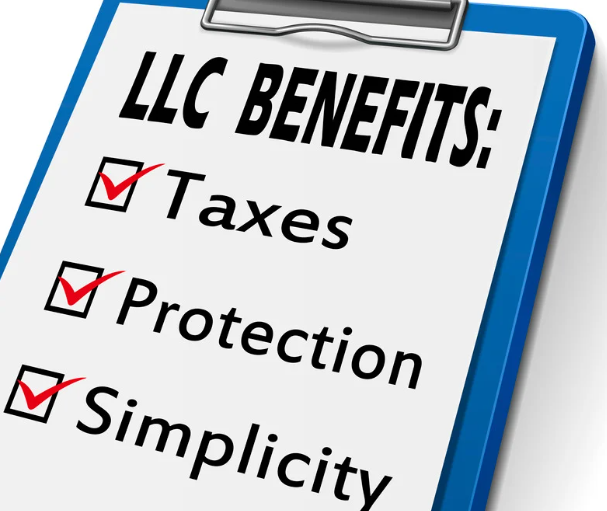
1. Personal Liability Shield

Upon formation, the LLC attains distinct corporate status, insulating owners’ personal possessions—residences, bank accounts, and vehicles, from litigation and corporate debts. Creditors are limited to pursuing LLC-related assets, thereby safeguarding the founders’ private wealth.

2. Variable Tax Structuring

Under default classifications, Massachusetts LLCs function as pass-through vehicles; gains and losses are reported on the members’ individual returns. Alternatively, founders may elect corporate treatment, enabling classification as an S Corporation or a C Corporation, thus tailoring the tax regimen to the enterprise’s specific financial profile.

3. Enhanced Professional Standing

Registering an LLC elevates your business’s legitimacy in the eyes of clients, suppliers, and banks. It signals your commitment to formal structure and regulatory adherence, fostering trust.

4. Flexible Ownership Arrangement

An LLC may consist of one or multiple members, and neither U.S. citizenship nor residence is mandatory. This versatile governance framework accommodates both solo founders and collaborative groups.

5. Pool of Highly Educated Talent

Massachusetts hosts preeminent institutions such as Harvard, MIT, and Boston University. If your strategy involves assembling a workforce, you will be sourcing talent from one of the nation’s most highly educated labor pools.

6. Pro-Innovation Ecosystem

The Commonwealth provides an array of grants, R&D tax credits, and incubator initiatives through organizations including MassVentures, MassDevelopment, and the Massachusetts Technology Collaborative, enabling entrepreneurs to pursue groundbreaking ideas with financial support.

📝 Sequential Guide to Establishing an LLC in Massachusetts

Massachusetts

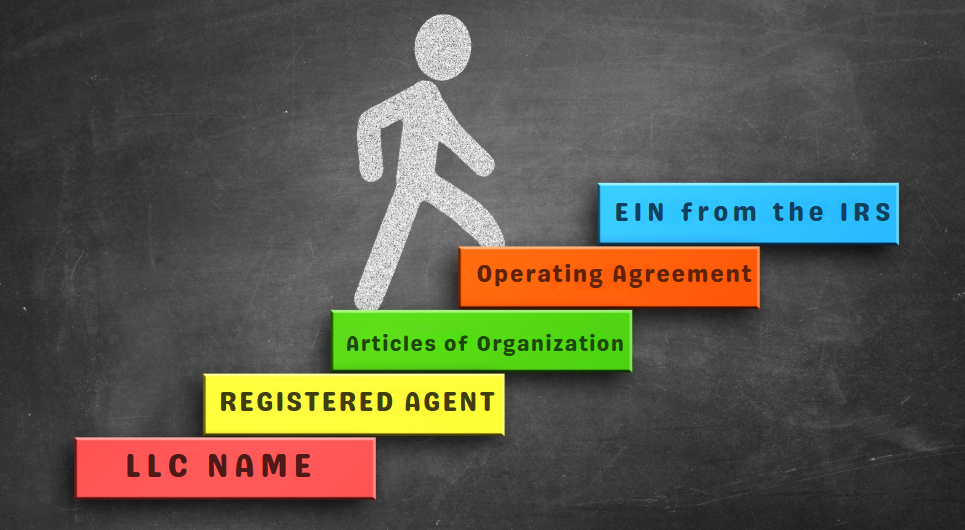
The ensuing paragraphs will outline each stage, from selecting a distinctive name to maintaining compliance following formal registration.

Step 1: Select an LLC Name

The name you choose serves as a critical branding cornerstone. It must resonate with your target audience, conform to statutory requirements, and be distinguishable from existing entities registered in Massachusetts.

Legal Name Requirements:

  • Your LLC name must contain one of the following designations: “Limited Liability Company,” “LLC,” or “L.L.C.
  • The name must be distinct from any other business registered in Massachusetts.
  • You cannot include terms that are regulated, such as “bank,” “trust,” “insurance,” or “university”, without appropriate authorizations.
  • The name should not imply a business purpose that differs from the activities reported to the state.

Name Availability Search:

  • Verify uniqueness through the Massachusetts Corporation Search Tool to confirm that no existing entity has your chosen name.

Name Reservation (Optional):

  • If formation is not imminent, you may temporarily secure the name for 60 days by submitting an Application for Reservation of Name and paying the $30 fee.

Step 2: Designate a Registered Agent

Every Massachusetts LLC is required to appoint a Registered Agent to accept service of process and receive official communications.

Eligible Registered Agents:

  • An individual who is a Massachusetts resident and at least 18 years old.
  • A business entity, such as BizStartz, that is registered to act as a Registered Agent in Massachusetts.

Importance of the Registered Agent:

The Registered Agent is essential for maintaining the LLC’s good standing. Failure to receive a legal notice through the Registered Agent can result in default judgments or the administrative dissolution of the entity.

📌 Recommendation for International Entrepreneurs:

If you reside outside the United States, you must engage a registered agent service, such as Bizstartz, in order to meet state legal requirements and to have legal documents delivered on your behalf.

Step 3: Submit the Certificate of Organization

This form is legally required to create your Massachusetts LLC.

Information to Include:

  • Desired LLC name
  • Principal business address (may be a physical office or a virtual address)
  • Name and address of your registered agent
  • Names and addresses of LLC managers or designated signers
  • Broad business purpose (you may state “any lawful purpose”)
  • Federal Employer Identification Number (EIN, if already obtained)

Filing Methods:

  • Submit electronically through the Massachusetts Secretary of State’s online portal
  • Mail hard copies (this method is slower)

Filing Fee:

  • $500
  • Pay online by credit card or include a check with mailed documents

Processing Times:

  • 1 to 3 business days for online submissions
  • 4 to 6 business days for mailed packets

Step 4: Create an Operating Agreement

This internal document specifies the governance structure and operational procedures of your LLC.

Operating Agreement Essentials

1. Ownership Structure

Clearly specify each member’s percentage ownership, indicating who holds what stake in the company.

2. Roles and Responsibilities

Outline the duties of each member and manager, specifying who is responsible for day-to-day operations and who has authority for major decisions.

3. Profit and Loss Distribution

Describe how profits and losses will be allocated, whether according to ownership percentage or some other agreed-upon formula.

4. Voting Procedures

Define the voting process for decisions requiring member approval, including quorum requirements and whether votes can be proxy-cast.

5. Member Withdrawal or Death

Detail the procedure if a member resigns, is expelled, or dies, including buy-out valuation methods and timelines.

6. Dissolution Procedures

Set forth the steps for winding up the company, including how remaining assets will be distributed to members.

Although Massachusetts does not mandate the adoption of an operating agreement, its absence can result in ambiguity, reduced legal protection, and difficulties in verifying ownership for financial institutions.

Step 5: Obtain an EIN

The Employer Identification Number (EIN), also known as the Federal Tax Identification Number, is assigned by the IRS to uniquely identify your LLC for tax reporting and banking.

When an EIN is Required:

  • If you will hire staff
  • To open a business checking account
  • If you choose corporate taxation
  • If your LLC has multiple members

Application Process:

  • U.S. residents can obtain the EIN at no cost through the IRS online application portal.
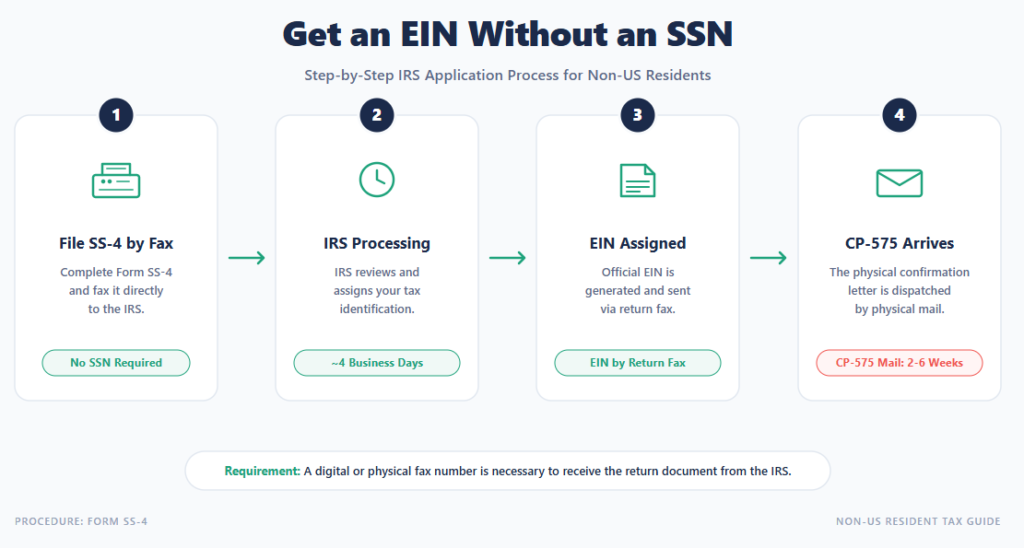
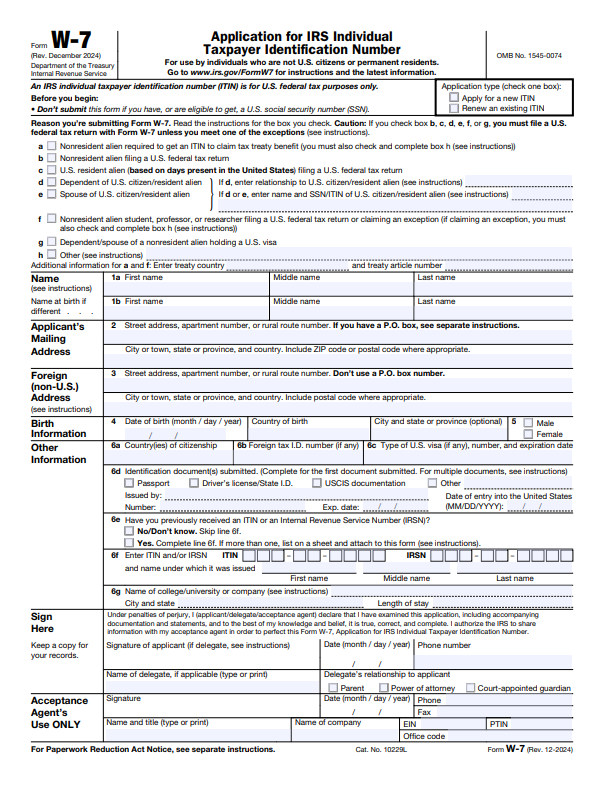
  • Non-residents should complete and submit IRS Form SS-4 by facsimile or postal service.

📌 Bizstartz assists international clients in acquiring an EIN without requiring a Social Security Number.

Step 6: Register with the Massachusetts Department of Revenue

Your LLC must register with the Massachusetts Department of Revenue (DOR) through the MassTaxConnect portal if it:

  • Collects sales tax
  • Employs workers
  • Withholds state income tax

Neglecting to register exposes your business to potential penalties and compliance complications. The online registration process is straightforward and incurs no cost.

Step 7: Obtain Local Licenses and Permits

Massachusetts lacks a statewide business license; however, your municipality may impose its own permitting requirements.

Common Licenses and Permits include:

  • Home Occupation Permit
  • Zoning Clearance
  • Food Service License
  • Professional Licenses (e.g., medicine, law, cosmetology)

Consult your local city or town clerk’s office and the Massachusetts Business One-Stop portal to determine which specific licenses and permits your enterprise must secure.

Step 8: Submit Annual Reports

Every Massachusetts LLC is mandated to file an Annual Report, which serves to affirm and update the state regarding the company’s official particulars.

Key Information:

  • Due on or before each anniversary of your LLC’s formation
  • Submit to the Secretary of the Commonwealth
  • Filing fee: $500
  • Online submission recommended for expedited processing

Failure to meet the deadline may incur penalties or lead to administrative dissolution; please set a reminder.

🌍 Guidance for Non-U.S. Residents

Massachusetts invites foreign entrepreneurs to form LLCs without requiring U.S. residency. Note the following procedural requirements:

1. Absence of SSN is acceptable

You may obtain an Employer Identification Number (EIN) using IRS Form SS-4. Bizstartz can assist with this process in the absence of an SSN or Individual Taxpayer Identification Number (ITIN).

2. U.S. address is necessary

You must designate a Registered Agent with a physical U.S. address. A separate mailing address in the U.S. may also be needed for government correspondence.

3. BOI report filing

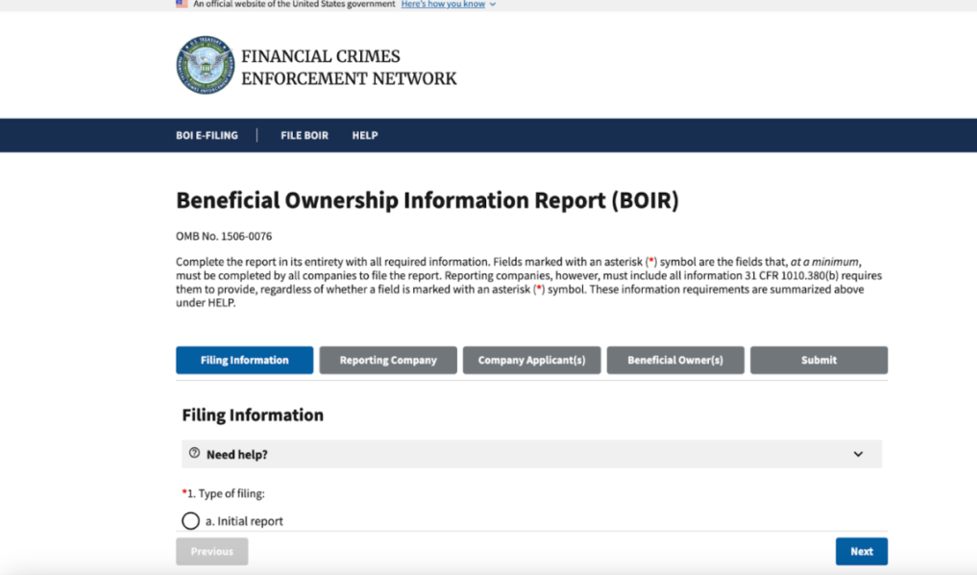
Effective in 2024, all newly formed LLCs must submit a Beneficial Ownership Information report within 90 days of formation.

4. U.S. business bank account

To establish a business bank account in the U.S., you will need an EIN and formation documents. Bizstartz collaborates with select fintech banks to facilitate remote account formation for non-residents.

💸 Total Cost to Start an LLC in Massachusetts

Service Estimated Cost
Name Reservation (optional) $30
Certificate of Organization $500
Registered Agent Service (annual) $99–$150
EIN (via IRS) Free
Operating Agreement (DIY) Free
Annual Report $500/year
Business Licenses (varies) $0–$200+

Final Tips for Success

  • Keep business and personal finances distinct: Immediately establish a dedicated business bank account within a U.S. institution.
  • Engage a certified accountant: This ensures compliance with all relevant federal and state tax obligations.
  • Automate compliance: Utilize a formation service such as Bizstartz for management of filing deadlines, beneficial ownership information, and related tasks.

Blog CTA

Start Your Massachusetts LLC with Bizstartz

Many founders, domestic and international, find Massachusetts LLC formation straightforward with Bizstartz. Our service suite includes:

  • LLC formation.
  • EIN application, available with or without a Social Security Number.
  • Registered agent services.
  • BOI filing.
  • ITIN and tax compliance.
  • U.S. business bank account introduction.

Initiate your LLC intelligently. Allow Bizstartz to process the documentation while you pursue your vision.

Begin with Bizstartz today.

How to Form an LLC in California: A Complete Guide

California stands as the planet’s fifth-largest economy and the cradle of technological and cultural innovation, hosting Silicon Valley, Hollywood, and a constellation of transformative startups and multinational corporations.

For a U.S. founder or an entrepreneur overseas, creating a California Limited Liability Company (LLC) strikes a compelling balance of asset protection, enhanced credibility, and entry to an expansive consumer and industrial market.

This guide provides a meticulously detailed roadmap to form an LLC in California, outlines statutory obligations, and demonstrates how Bizstartz can streamline each milestone.

📌 Why Choose a California LLC?

Forming a California LLC confers distinct, strategic advantages:

1. Limited Liability Shield

The preeminent advantage of an LLC structure is the compartmentalization of liability. Personal assets—residences, vehicles, bank accounts, remain insulated from corporate obligations and litigation exposures. This protection is vital for sole proprietors, e-commerce innovators, and any entrepreneur who values the sanctity of private wealth.

2. Flexibility in Management and Taxation

Unlike corporations, limited liability companies impose no stringent requirements on governance. An owner may operate a single-member LLC, while partners may co-manage a multi-member version, with no obligation to form a board of directors or to convene annual shareholder meetings.

By default, an LLC benefits from pass-through taxation, meaning that taxable income is assessed only at the owner or member level. Alternatively, an LLC may elect to be taxed as either an S-corporation or a C-corporation if doing so yields a more advantageous tax profile.

3. Enhanced Credibility with Customers and Partners

The presence of the limiting designation “LLC” in a business name communicates a level of legal and operational seriousness that can enhance trust. Customers, clients, and vendors recognize that the firm is formally registered and compliant with the applicable laws of the state, bolstering its reputation.

4. No Requirement for U.S. Citizenship or Residency

International entrepreneurs may create a California LLC without a U.S. residence, business visa, or domestic mailing address. By appointing a registered agent and collaborating with facilitators such as Bizstartz, one can effectively manage a U.S.-based business while physically located in any jurisdiction worldwide.

🛠 Step-by-Step: Forming an LLC in California

Step 1: Select an Available LLC Name

The LLC name must comply with the California Secretary of State’s standards:

  • It must conclude with “Limited Liability Company,” “LLC,” or “L.L.C.”
  • It must not be deceptively similar to any name already registered in California.
  • Certain terms, like “bank,” “insurance,” or “university”, are restricted and may trigger additional filing requirements.

Practical steps:

  • Use the California business name search engine to confirm name uniqueness.
  • To secure a name for a 60-day period, submit a Name Reservation Request with the $10 filing fee.

💡 It is prudent to verify available domain names and social media handles to ensure cohesive branding.

Step 2: Designate a Registered Agent

registered agent

Each California LLC must appoint a Registered Agent responsible for receiving official correspondence, including lawsuits, tax notifications, and government communications.

Requirements:

  • The agent must maintain a physical business address in California; P.O. boxes are disallowed.
  • The agent must be present during standard business hours.
  • The agent may be an individual, including the LLC’s owner if a California resident, or a commercially registered agent.

For international founders, Bizstartz can serve as your Registered Agent in California, providing compliance while you administer your business from abroad.

Step 3: Submit Articles of Organization (Form LLC-1)

The Articles of Organization serve as the formal instrument by which your LLC achieves legal standing in California.

Required Information:

  • The LLC’s full legal name.
  • The name and address of the Registered Agent.
  • Indication of management structure (member-managed or manager-managed).
  • Principal business address.

Filing Options:

  • Online: Recommended for its speed and efficiency.
  • By Mail: Slower, currently 3–4 weeks for processing.
  • In-Person: Available for expedited processing.

Filing Fee: $70.

Note: Electronic submissions are typically processed within 3–5 business days.

Step 4: Draft a Written Operating Agreement

California law requires LLCs to maintain an Operating Agreement, although the document need not be filed with the Secretary of State.

Content to Include:

  • Roles and duties of each member or manager.
  • Procedures for the allocation of profits and losses.
  • Voting rights and the structure for decision making.
  • Protocols for the admission and expulsion of members.
  • Provisions governing liquidation and winding up the LLC.

Importance of the Agreement:

  • It creates a formal record supporting the LLC’s legal status.
  • It mitigates the risk of disputes among members.
  • It facilitates the opening of bank accounts and the pursuit of capital.

Bizstartz offers customized Operating Agreements designed to align with your specific organizational structure and business objectives.

Step 5: Obtain an Employer Identification Number (EIN) from the IRS

The Employer Identification Number (EIN) serves a function analogous to a Social Security Number for an enterprise. You must acquire an EIN to:

  • Establish a United States business bank account.
  • Employ staff or engage independent contractors.
  • Submit federal and state income tax returns.
  • Apply for sales tax permits or any business licensing requirements.

Obtaining the EIN:

  • If you reside in the United States and possess a Social Security Number (SSN), complete the EIN application via the IRS online portal.
  • If you are a non-resident without an SSN, complete Form SS-4 and send it to the IRS by either fax or regular mail; processing generally requires 2 to 4 weeks.

📌 Bizstartz specializes in expediting EIN issuance for non-residents, even in cases where the applicant lacks an SSN or ITIN.

Step 6: Submit Form LLC-12, the Initial Statement of Information

You must file Form LLC-12 (the Initial Statement of Information) within 90 days of the effective date of your Articles of Organization.

Required Information:

  • The LLC’s official street address and a brief description of its business activities.
  • The names and addresses of either the managing members or the appointed managers.
  • The name and address of the registered agent.
  • Contact telephone number and email address.

Filing fee: $20.

Filing Frequency: Form LLC-12 must be filed biennially, on the last day of the month in which it was first filed.

You may file online, by postal mail, or in person at the designated state office.

⚠️ Failure to complete and file this Form LLC-12 may result in monetary penalties or, in severe cases, the administrative dissolution of your LLC.

Step 7: Remit California Annual Taxes and Fees

Maintaining an LLC in California entails elevated annual costs, principally including:

  • $800 Franchise Tax: This tax is assessed each year beginning in the second operational year, unless the LLC meets specific criteria qualifying for a first-year exemption.
  • Gross Receipts Fee: Should annual gross revenues surpass $250,000, this fee is levied, scaled as follows: $900 for gross revenues up to $250,000, increasing to a maximum of $11,790 at gross revenues of $5 million or more.
  • Biennial Statement of Information: This report is filed every two years at a fee of $20.

To manage these ongoing obligations and mitigate the risk of penalties, Bizstartz provides full-year compliance services, ensuring that all filings are timely and that the LLC remains in good standing.

Step 8: Secure Required Business Licenses and Permits

Depending on the LLC’s operations, jurisdiction, and sector, California stipulates a range of licenses and permits, including:

  • City Business Tax Certificate: Generally required for all enterprises.
  • Seller’s Permit: Necessary for the retail sale of tangible personal property in California.
  • Professional Licenses: Mandated for regulated professions such as law, construction, and healthcare.

To determine the precise requirements for a given location and type of business, consult the CalGold online resource.

Step 9: Open a U.S. Business Bank Account

A dedicated business bank account is indispensable for maintaining clear financial records and safeguarding personal assets. This account allows your business to:

  • Receive customer payments (via Stripe, PayPal, etc.)
  • Record business income and expenses in a single, separate ledger
  • Build a business credit profile

To open the account, you’ll need the following documentation:

  • Employer Identification Number (EIN)
  • Articles of Organization
  • Operating Agreement
  • Government-issued passport or photo ID

Bizstartz partners with Mercury, Relay, and Wise to facilitate remote account openings for founders outside the U.S.

💼 Why Work with Bizstartz?

Navigating LLC formation in California can be intricate, particularly for non-residents and busy entrepreneurs. Bizstartz manages the entire process, so your attention can remain on growth.

  • California LLC Formation
  • EIN Application (No SSN Required)
  • Registered Agent Services
  • Operating Agreement Drafting
  • Statement of Information Filing
  • Bank Account Opening (Remote)
  • Ongoing Bookkeeping & Tax Filing
  • BOI Filing (as per FinCEN 2024 rules)

📞 Contact us today or visit www.bizstartz.com to get started.

Blog CTA

✅ California LLC Formation Checklist (Expanded)

Task Description Fee
Business Name Search Ensure name is unique and available Free
Name Reservation (Optional) Reserve name for 60 days $10
Registered Agent Designate a legal address in CA $50–$150/year
Articles of Organization Form LLC officially with the state $70
Operating Agreement Internal document for management rules Free or $50–$200
EIN (IRS) Required for tax and banking Free
Statement of Information Must be filed within 90 days $20
Franchise Tax Mandatory annual tax $800/year
LLC Gross Fee Based on income over $250K $900–$11,790
Licenses & Permits Varies by industry & location Varies
Business Bank Account Required for finance & compliance Free

🧭 Final Thoughts

A California LLC positions you within one of the world’s most dynamic economies. From cutting-edge innovation to expansive trade networks, the state offers a fertile ground for businesses poised for rapid expansion.

However, establishing a California LLC involves navigating a complex array of state regulations and tax requirements, a burden that is magnified for non-resident founders.

Engaging the specialized services of Bizstartz enables you to implement the formation efficiently, remain compliant with every requirement, and direct your efforts toward scaling your enterprise.

🚀 Prepared to create your California LLC?

👉 Initiate the process now at Bizstartz.com and allow our professionals to manage every detail.

How to Form an LLC in New York: A Step-by-Step Guide

Starting a business in New York, home to some of the planet’s biggest financial, cultural, and commercial engines, is the goal for a lot of entrepreneurs.

Setting yourself up as a Limited Liability Company (LLC) gives you great perks: your personal assets stay safe, you have a flexible management structure, and you can take advantage of smart tax treatment.

In this easy-to-follow guide, we’ll cover every part of the LLC setup process in New York, paying special attention to both U.S. citizens and founders based abroad.

Why Pick New York for Your LLC?

New York isn’t just a state; it’s a worldwide brand. From Wall Street to Silicon Alley, the city serves up business chances in finance, fashion, media, eCommerce, law, and health care. Here’s why you might want to launch your LLC here:

1. Instant Credibility

Calling yourself a “New York LLC” gives your brand a quick boost in credibility. Customers, investors, and partners view your business as more serious and trustworthy.

2. Talent and Funding on Tap

If you want to scale, New York is the place. You’ll find a deep pool of skilled workers, venture capital, and peer entrepreneurs ready to help you grow.3.

3. Great Location

New York puts you close to both U.S. customers and global markets. That makes it an excellent springboard for worldwide growth.

4. Strong Legal System

The state offers one of the country’s most trusted legal systems. That means you can count on it to handle contract disputes and business agreements fairly and efficiently.

5. Welcoming to Non-Residents

You don’t have to be a U.S. resident or a citizen to start an LLC here. This openness is a big plus for global entrepreneurs wanting a piece of the American market.

Step 1: Pick a Name for Your New York LLC

Choosing your business name is a crucial first step. New York law has a few rules you need to follow:

✅ Name Must:

  • Be unique and different from any other business already registered in New York.
  • Include “Limited Liability Company” or an abbreviation like “LLC” or “L.L.C.”
  • Stay clear of certain restricted words like “bank,” “insurance,” or “university,” unless you have the right licenses.
  • Not suggest a link to government agencies.

🔍 Check Name Availability:

  • Go to the New York Department of State’s Business Entity Search to see if your name is still open.
  • You can hold your business name for 60 days for a $20 fee if you’re not ready to file right now.

💡 Pro Tip:

If you plan to sell across the country or around the globe, check that the .com domain for your business name is open. This way, your brand looks the same everywhere online.

Step 2: Choose a Registered Agent in New York

registered agent

A Registered Agent, also known as an agent for service of process, gets all the legal papers and official mail for your LLC.

Who can be a Registered Agent:

  • An individual who lives in New York.
  • A business that is authorized to operate in New York.

Rules:

  • Must have a street address in New York (P.O. Boxes won’t work).
  • Must be available during regular business hours to accept documents and mail.

Why you need this:

A dependable Registered Agent makes sure you receive legal papers on time, so you don’t miss court dates or important deadlines.

For Non-U.S. Residents:

Since you don’t have a New York address or a local contact, hiring a Registered Agent service (like Bizstartz) is the easiest way to stay compliant with the law.

Step 3: File the Articles of Organization

The Articles of Organization is the official paper that creates your LLC in New York.

Essential Details

  • Name of the LLC
  • County where you operate
  • Registered Agent name and address
  • Optional: State whether the LLC is member-managed or manager-managed

How to File

  • Online: File through the New York Department of State website
  • By Mail: Send Form DOS-1336 to the Division of Corporations

Costs

  • Filing fee: $200
  • Expedited services: Extra charges apply

Processing Times

  • Standard: 7 to 10 business days
  • Expedited: Choose 24 hours, same day, or 2-hour service for added fees

👉 After approval, you’ll get a Filing Receipt. Keep it safe; it proves your LLC is legit in New York.

Step 4: Handle the Publication Requirement

In New York, your LLC must publish a notice in local newspapers. This is a unique step you won’t find in many other states, but it’s mandatory.

What You Need to Do

1. Publish Notice of LLC Formation

You must publish a notice of your LLC formation in two newspapers: one that is daily and one that is weekly. The notice must run for 6 consecutive weeks.

2. Newspaper Choice

The newspapers you use must be approved by the County Clerk of the county listed in your Articles of Organization.

3. Finish and File

Once the publication is complete, file the Certificate of Publication and the Affidavits of Publication from each newspaper.

4. Filing Fee

The fee to file the Certificate of Publication is $50.

Total Cost

The total cost varies widely by county. In Manhattan, the total can easily be over $1,500. In Albany County, it is usually under $300.

Cost-Saving Tip

To lower publication costs, consider using an Albany County address. This is a common legal strategy that helps many businesses meet the publication requirement for less money.

👉 Bizstartz provides publication services that can handle this entire process, including the Albany address setup.

Step 5: Create an LLC Operating Agreement

The Operating Agreement is a key legal document. It spells out who owns the LLC and how the company will run on a daily basis.

Why It’s Important:

  • Helps avoid future fights between members
  • Sets clear rules for sharing profits, voting, and closing the business
  • Proves legitimacy when you open a business bank account
  • Required by New York law, even for a single-member LLC

What to Include:

  • Roles and duties of each member and manager
  • How much capital each member contributes
  • How profits and losses are shared
  • Voting rights and how decisions are made
  • How to add or remove members
  • Steps to dissolve the LLC

You don’t have to file this with the state, but you must keep a signed copy in your LLC’s official records.

Step 6: Apply for an EIN

An EIN, or Employer Identification Number, is a unique number the IRS gives your LLC for tax identification.

Why You Need It:

  • To open a U.S. business bank account
  • To hire U.S. employees
  • To file federal and state taxes
  • To apply for payment processors like Stripe, PayPal, and Shopify

How to Apply:

  • U.S. Residents: Apply online at the IRS EIN portal
  • Non-U.S. Residents: Fill out Form SS-4 and submit by fax or mail. You cannot use the online portal without a Social Security Number (SSN).

💡 Bizstartz can help non-residents apply for the EIN without needing an SSN or ITIN.

Step 7: Keep Up With New York Taxes and Annual Filings

Even if your LLC doesn’t have a physical presence in New York, you still need to meet state compliance rules.

1. Annual Filing Fee (if it applies)

  • If your LLC counts as a disregarded entity or a partnership, you might have to pay an Annual Filing Fee. This ranges from $25 to $4,500, depending on your total gross income.

2. Biennial Statement

  • Every LLC in New York must file a Biennial Statement every two years with the Department of State.
  • Due Date: The end of the calendar month when the LLC was originally formed.
  • Filing Fee: $9

Note: If you miss this filing, your LLC could be marked as delinquent or even inactive.

Extra Steps (Not Required, But Smart)

✅ Open a U.S. Business Bank Account

To keep your money in order and to accept payments, a U.S. business bank account is essential.

What You’ll Need:

  • EIN (Employer Identification Number)
  • Articles of Organization
  • Operating Agreement
  • U.S. business address (sometimes optional)

Many non-residents use online banks like Mercury, Relay, or Wise. These services let you skip an in-person visit to the U.S.

✅ Get a U.S. Business Mailing Address

You need a business mailing address for:

  • Opening bank accounts
  • Receiving IRS letters
  • Handling legal and operational mail

A virtual address service or a Registered Agent with mail forwarding works great for this.

✅ Obtain Business Licenses and Permits

Depending on what your business does and where it’s located, you might need licenses at the local, state, or federal level. Always verify with your local New York authority or consult a business expert.

Can Non-U.S. Residents Form an LLC in New York?

Yes! Non-U.S. residents can form and own an LLC in New York without any special restrictions.

Here’s what you’ll need to get started:

  • A U.S. Registered Agent
  • An EIN
  • A U.S. business address for legal notices and compliance
  • Guidance on publication and IRS forms if you don’t have an SSN

Bizstartz helps international founders set up LLCs quickly, compliantly, and without hassle.

Blog CTA

Final Thoughts

Creating an LLC in New York gives you access to one of the strongest business markets in the world. Sure, you’ll face some extra steps, like publishing your formation, but the benefits pay off over time.

Stick to the right steps and keep your LLC compliant, and you can run your U.S. business from anywhere.

Start Your New York LLC with Ease

Let Bizstartz take care of every detail for you:

✅ LLC Formation

✅ EIN Application

✅ Registered Agent

✅ Operating Agreement

✅ Publication Requirement

✅ Business Bank Account Setup

📞 Book a Free Consultation 

How to Move Your LLC to Wyoming: A Step-by-Step Guide

As a result of increased globalization, many corporations are always looking for the best jurisdictions to set up business.

This is why Wyoming has become number 1 on the list of states LLC owners due to stronger privacy protections, better tax benefits and lower regulation limits.

Moving your business to Wyoming can provide both legal and financial advantages whether you are a US based entrepreneur or a non-resident running a US LLC.

In this guide, we make sure to provide everything on relocating your LLC to Wyoming while making it legally compliant with step-by-step procedures to ease the transition.

Why move your LLC to Wyoming?

Before doing the actual work, it makes sense to first understand the numerous reasons why a large number of entrepreneurs relocate their companies to Wyoming every year.

1. No state income tax

Wyoming is one of the few US states that does not charge a corporate or personal taxation. Thus:

  • LLCs who are taxed as pass-through entities ( partnerships or sole proprietorships) stay exempt from state income taxes.
  • Members and owners have greater profit retention, this is vital for high-income enterprises and investors.

2. Exceptional Privacy Protections

Wyoming stands out due to its business owner privacy procedures.

  • Member and manager names are not publicly indexed in the Secretary of State’s database.
  • A nominee or registered agent can be used to disguise your name and keep your identity fully confidential.
  • Ownership does not have to be revealed unless required by federal law, such as BOI reporting.

This is a key reason non-U.S. residents and high-net-worth individuals prefer Wyoming for asset protection and anonymity.

3. Low Maintenance and Filing Fees

  • Annual report fee is $60 or a small percentage of total assets in Wyoming, whichever is greater.
  • Wyoming has lower LLC formation fees than Delaware, California, and New York.
  • No franchise tax, business license tax, or hidden compliance fees.

4. Superior Asset Protection Laws

Wyoming provides some of the most advanced legal protections for LLC members in the country:

  • Charging Order Protection bars personal creditors from confiscating any business assets owned by LLC members.
  • Your business is safeguarded under Wyoming law from personal lawsuit takeovers.

5. Simple and Efficient Compliance

  • No need for annual meetings or the drafting of resolutions.
  • Very low reporting requirements.
  • User-friendly online document storage.
  • Prompt and helpful Secretary of State office.

These factors stand out why Wyoming is a favorite for digital nomads, tech entrepreneurs, e-commerce and dropshipping business owners, especially those operating from outside the U.S.

3 Ways to Legally Move Your LLC to Wyoming

LLC to Wyoming

It is crucial to pick the right legal route when moving your LLC to Wyoming. Each option has advantages and downsides depending on your business structure and future objectives.

Option 1: Domestication (Re-Domiciling Your LLC)

This is the easiest and cleanest option, which many states support, including Wyoming. The process of Domestication enables you to fully relocate your LLC to Wyoming and does not require you to create a new one.

Key Benefits:

  • Your original EIN (Employer Identification Number) is retained.
  • Your bank accounts, contracts, and payment gateways remain unchanged.
  • Business operations and history continuity is maintained, which is beneficial for credit scores and for investor confidence.

Possible Drawbacks:

A few states do not allow LLC domestication. If you are in one of those states, this approach will not work for you.

✅ Best Option if both Wyoming and your current state allow statutory conversion/domestication.

Option 2: Creating a New LLC in Wyoming while Dissolving the Old One

This works best when option one is not available.

Main Benefits:

  • Blank slate with a new entity formed in a more favorable region.
  • Less complicated to set up if your operations are legally complex to unwind in your original state.

Drawbacks:

  • Additional EIN filing needed with the IRS.
  • There is a need to reopen bank accounts, sign new contracts, and notify all parties concerned.
  • Possibility of a disruption in business continuity.

✅ Most suitable for new businesses, single-member LLCs, or for those looking to restructure their business.

Option 3: Register As A Foreign LLC In Wyoming

Your LLC can register as foreign because of your existing presence in Wyoming, thus allowing you to operate in both states.

Pros:

  • Ability to operate in multiple states.
  • Ideal for businesses with a physical footprint or customers across several states.

Cons:

  • Must comply with annual fee obligations and compliance requirements in both states.
  • Increased administrative burden and costs.

✅ Suitable for businesses that are expanding their operations to Wyoming and not relocating entirely.

Complete Step-by-Step To Moving Your LLC To Wyoming Through Domestication

If your state allows it, domestication is the smoother path. Here’s a comprehensive view of the whole process:

Step 1: Confirm Eligibility For Domestication

Confirming whether your state of formation permits domestication or statutory conversion comes first.

States that Allow Domestication Include:

  • California
  • Florida
  • Texas
  • Nevada
  • Washington
  • Illinois

States That Do NOT Allow Domestication:

  • New York
  • New Jersey
  • Oregon
  • Kansas

If your state does not permit domestication, you will need to create a new LLC and either dissolve the old one or register it as a foreign entity.

Step 2: Create a Plan of Domestication

This legal document contains:

  • Intent to relocate your LLC to Wyoming
  • Approval statements from members or managers
  • Proposed amendments for Articles of Organization for Wyoming
  • Changes to the LLC’s operating agreement

Most operated agreements of the LLCs will need to be changed to show that the governing law is no longer your original state but Wyoming.

Step 3: Submit Articles of Domestication to Wyoming for Filing

You are required to submit:

  • Articles of Domestication
  • Articles of Organization (Domestic LLC)
  • Proof of payment (Submission fee of $100 and $150)

You also need to designate a Wyoming Registered Agent who will receive any legal Information and mail correspondence addressed to you.

🧾 Tip: Bizstartz offers dependable and affordable registered agent services for as low as $49 a year.

Step 4: Submit The Rest of The Forms To The Original State

Once your LLC is approved in Wyoming, you should inform your previous state about the business relocation.

This may include:

  • Submitting a Certificate of Conversion
  • Filing the last annual report or tax returns
  • Settling overdue fees or taxes
  • Dissolving the business if necessary

Every region has its own set of procedures, so contact the Secretary of State’s office in your initial location.

Step 5: Inform IRS and Other Financial Institutions

After you move your LLC to Wyoming:

  • Inform the IRS with Form 8822-B for address updates.
  • Change details of your EIN to reflect the new state.
  • Notify your bank, Stripe/PayPal, and vendors about the change of jurisdiction.
  • Modify the operating agreement and any contracts to reflect the company’s status in Wyoming.

Step 6: Maintain Compliance in Wyoming

Since your business is now registered in Wyoming, every year you have to:

  • Submit an Annual Report (due on your anniversary month)
  • Keep a Wyoming Registered Agent
  • Maintain Company records and bookkeeping
  • Report company ownership (BOI filing, if necessary)

Pro Tip: These compliance requirements can be automated through our annual maintenance service.

Estimated Costs of Moving an LLC to Wyoming

Here’s a breakdown of the common expenses involved in the relocation process:

Item Estimated Cost (USD)
Wyoming Articles of Domestication & Org. $100–$150
Registered Agent (Annually) $49–$100
Document Preparation / Legal Assistance $150–$500 (optional)
Original State Exit or Dissolution Fees $0–$300 (varies by state)
IRS EIN Update Free

How Bizstartz Can Help You Move to Wyoming

For first-time founders or international entrepreneurs, moving an LLC can be a long and complicated process fraught with legal issues.

This is where Bizstartz comes in.

What you get with our Wyoming LLC Relocation Services:

  • Entity domestication or new LLC formation
  • Legal paperwork preparation and filing
  • Registered Agent service
  • BOI (Beneficial Ownership) compliance
  • EIN updates and IRS support
  • Personalized consultation to choose the best approach

Consultations provided to individuals from 50 countries

Complete your tasks while working and receive step-by-step help.

Blog CTA

Final Thoughts

Relocating your LLC to Wyoming can dramatically reduce your costs, enhance your privacy, and simplify compliance. But to do it right, you must understand the legal methods available, follow the correct steps, and stay on top of your responsibilities post-move.

Whether you’re moving from California, New York, Florida, or even running your business from overseas, Wyoming could be the best home for your LLC.

Ready to Move Your LLC to Wyoming?
📩 Contact Bizstartz today and let our experts handle the full transition, hassle-free.

10 Best Financial Tools for Freelancers

By 2025, the freelance economy is already booming. As more individuals choose the independent route, managing money has become even more important.

If you work as a freelance content writer, graphic designer, consultant, or even a digital marketer, managing your banking tasks, invoicing, tracking expenses, or paying taxes is much more efficient when you use proper tools.

This guide focuses on the best financial tools for freelancers in 2025 Mercury, Wise, and Relay, together with other essential tools increase your efficiency boosting productivity.

Freelancers can manage schedules and receive payments without hassle, sustainably supporting business growth with these tools.

1. QuickBooks Self-Employed

Quickbook

Best for: Expense tracking, invoicing, and tax calculations

Intuit’s Quickbooks has freelanced finances under control for a long time. Their new product, QuickBooks Self-Employed focuses on self-employed individuals and makes it easier to track income, expenses, and tax preparation as well as crafting polished professional invoices.

Important Highlights:

  • Automated expense categorization for optimizing tax deductions
  • Mileage tracking using GPS technology
  • Integration with Turbo Tax for filing convenience
  • Invoice generation with payment and invoice tracking feature
  • Real-time updates from synced bank accounts and credit cards

What Freelancers Appreciate:

Eliminate stress around quarterly taxes and bookkeeping with snapshots of profit and deductible expenses. For self-employed individuals seeking minimal effort in finance tracking and tax compliance, this tool is particularly valuable.

2. Mercury

Mercury

Ideal for: LLC owners and freelancers focusing on online businesses; streamlined digital banking

Mercury is popular among freelancers and startup founders, particularly when operating under a US LLC. It is favored by remote workers from abroad due to no monthly fees, attractive interface, and quick digital sign-up through Bizstartz.

Main Highlights:

  • Freedom from monthly maintenance fees, overdraft fees, no required minimum balances
  • Physical and virtual debit cards for team usage
  • Integration with QuickBooks, Xero, and payment processors like Stripe is effortless.
  • Multi-user access with international wire transfer capabilities.
  • Covered by partner banks’ FDIC insurance.

Why Freelancers Think It’s Great:

Through Mercury, digital nomads and foreign residents can swiftly set up a U.S. business bank account without stepping into a physical bank. The banking dashboard is user-friendly for freelancers and tech-oriented users, giving them easy-to-use tools and total command over their finances.

3. Wave

Wave

Best for: No-cost accounting and invoicing for financially savvy freelancers.

For freelancers on a budget, Wave is a great option because it is powerful and free. Wave offers robust accounting functionality, unlimited invoicing, receipt scanning, all at no charge. It’s perfect for new freelancers who are looking for affordable and professional-grade tools.

Key Features:

  • Generate unlimited invoices, estimates, and clients.
  • Automatically track income and classify expenses.
  • Scan receipts with the mobile app.
  • Generate key financial reports such as profit/loss, tax summary, and more.
  • Payroll and online payment processing as add-ons (for a fee).

Why Freelancers Love It:

Wave allows freelancers and solopreneurs to efficiently manage their finances without incurring additional expenses, thanks to its no-cost core accounting features.

4. Wise (Formerly TransferWise)

Wise

Best for: Global freelancers receiving or sending international payments.

Wise is revolutionary for freelancers engaging with international clients or remote team members. Freelancers can take advantage of real exchange rates (mid-market rate) and low fees, saving considerably compared to PayPal or traditional banks.

Core Benefits:

  • Maintain a single account for 50+ currencies
  • Receive payments with localized bank details in USD, EUR, GBP, AUD and several other currencies
  • Unrestricted low-cost international payment transfers to over 160 countries
  • Wise Issues physical and virtual debit cards which can be used internationally
  • No hidden charges or fees

Why They Love It:

Wise is heaven sent for cross border business transactions. Freelancers from Nepal, India or The Philippines can receive USD payments into their LLC accounts and then seamlessly withdraw from local banks with great conversion rates.

5. FreshBooks

freshbook

Best for: Freelancers looking for an invoice and client billing platform that combines multiple features.

FreshBooks provides freelancers with powerful, easy-to-use tools for invoicing, expense tracking, time management, and client communication. Service-based freelancers like consultants, coaches and even designers stand to benefit the most.

Key Features:

  • Automated recurring invoices and payment reminders
  • Integrated time tracking for projects and billing
  • Creation of proposals and contracts
  • Pay via Stripe, PayPal or credit card and over other payment gateways
  • Accountant access and generation of Financial reports

Why Freelancers Love It:

FreshBooks provides a holistic workflow for freelancers beginning from onboarding clients all the way through to invoicing and preparing for taxes. Through the mobile app, freelancers can easily stay on top of tasks track time, or send invoices no matter where they’re located.

6. Relay

relay

Best for: Business banking with organized flexible sub-accounts.

Relay is specially catered for small businesses and freelancers, letting users organize income streams seamlessly. It is a modern banking platform that allows you to manage up to twenty checking accounts. This capability simplifies the management of your income, taxes, savings, and business expenses.

Key Features:

  • Order specific accounts to manage income streams (ex: profit, tax, salary, savings)
  • Assign spending control debit cards to employees, and contractors
  • Automate transaction categorization and bill payment
  • Has integrations with QuickBooks, Xero, and Gusto
  • International Payments and ACH Transfers

Why Freelancers Love It:

Structure is important when managing cash flow, and for freelancers Relay’s Profit First-style structure helps balance saving, spending and investing effortlessly. Whether it’s saving for taxes, reinvesting for growth, or tracking multiple income sources, Relay provides the tools to accomplish these tasks with ease.

7. Bonsai

bonsai

Best for: All-in-one contract-to-payment solution for freelancers.

Bonsai focuses on freelancers and consultants. It allows them to create proposals and contracts, along with time tracking, invoicing, and task management. This consolidated platform makes it smooth for users to advance from pitch to payment, removing any possible friction from the process.

Key Features:

  • Ready made legal documents for freelance work
  • Embedded e-signatures for quick client sign-off
  • Automated invoicing includes tax and late fee options
  • Project linked time and expense tracking
  • Add-ons for tax help and bookkeeping

Why Freelancers Love It:

For freelancers, Bonsai acts like a dedicated business assistant. It handles many of the monotonous admin work such as contracts, invoicing, taxes, and communications which reduces the time spent on non-billable work and automates scaling.

8. Toggl Track

toggle track

Best for: Tracking time and optimizing productivity

Toggl Track is a powerful time-tracking tool for freelancers who either want to charge by the hour or enhance their productivity. It features both manual and automatic tracking, project tagging, and insightful reports.

Key Features:

  • Timers that can be activated with a single click or run in the background
  • Custom billing reports at the project level
  • Detection of idling and reminders
  • Synchronization across devices: desktop, browser, mobile
  • Reports that can be exported for billing or personal review

Why Freelancers Love It:

In addition to ensuring that freelancers capture every billable minute, Toggl Track provides usable insights on time inefficiencies to improve workflows and optimize pricing structures.

9. PayPal Business

paypal

Best for: Receiving payments from international clients

PayPal continues to be one of the most widely recognized platforms for payment processing. Although it’s not the most economical choice compared to Wise, many clients will prefer PayPal because of its convenience and the trust associated with its brand.

Key Features:

  • Business-branded invoices and subscription billing
  • Accepts payments from over 200 countries and regions
  • Instant withdrawal to U.S. bank accounts (e.g., Mercury or Relay)
  • Dispute resolution and purchase protection
  • Business debit card to spend funds directly

Why Freelancers Love It:

PayPal helps freelancers ensure that they will always receive payment from clients regardless of where they are based. Its integration with most e-commerce and invoicing platforms makes it a must-have for digital workers.

10. Notion + Finance Templates

notion

Best for: personalized strategic planning and creation of financial dashboards.

Notion serves more than just a note-taking application. Nowadays, freelancers utilize it as a complete business operating system. Through appropriate finance templates, it is possible to manage a monthly income, track client payments, invoices, and even visualize savings milestones.

Key Features:

  • Fully customizable dashboards with tables, tags, and progress bars
  • Budget planners, invoice logs, and tax organizers
  • Embedded task management linked to financial objectives
  • Supports integration with Google Sheets, Stripe, and many other applications via API
  • Collaborative workspaces for teams or clients

Why Freelancers Love It:

Notion lets you design a bespoke financial tracking solution that works with your workflow. As a minimalist or data-loving freelancer, it adjusts to you as your business develops.

Final thoughts

Keeping track of finances as a freelancer in 2025 means staying organized, no longer optional, now mandatory if you wish to achieve success. The tools above not only help manage money with precision, but also provide the assurance needed to scale a freelance business.

For those starting out or running an established freelance brand, Mercury, Wise, and Relay offer ingenious solutions for smoother financial operations.

Wondering how to establish a U.S. business as a freelancer?

Bizstartz offers:

  • Formation of US LLCs for freelancers
  • Obtaining an EIN and setting up a business bank account with Mercury or Relay
  • Filing BOI, bookkeeping, and other services

👉 Start with Bizstartz Now and ease the process of freelancing for you!

Do I Need an EIN for Dropshipping?

Starting a dropshipping business is among the easiest ways to start an eCommerce brand with low initial investment. There is no need to purchase inventory, take care of shipping, or even rent a warehouse.

Legal and tax matters, particularly for U.S. LLCs or non-resident entrepreneurs, however, are more complicated.

Asks whether an EIN (Employer Identification Number) is required.

Most cases require the short answer of yes. In this case, we will explain:

  • What EIN stands for
  • Why it is important for dropshipping businesses
  • How international entrepreneurs can acquire one
  • The correct procedure for obtaining an EIN for Dropshipping
  • And other general inquiries related to EINs and U.S. LLCs

What Is an EIN?

An EIN (Employer Identification Number) is also referred to as Federal Tax Identification Number and it is a 9 digit number allocated by IRS to identify businesses for tax purposes. This number is best thought of as SSN for your company.

Here’s what an EIN does:

  • Oversees federal tax submissions for your company
  • Helps in opening a business account in any U.S. bank
  • Allows you to hire employees (if applicable)
  • Enables registration with payment processors like Stripe, PayPal, and Shopify
  • Helps vendors, wholesalers, and suppliers accept your business as valid

As a sole proprietor or solo entrepreneur, an EIN can enhance your professionalism, organization, and tax compliance.

Do I Need an EIN for My Dropshipping Business?

Dropshipping for EIN

Almost all cases yes, whether you are operating a Shopify store or an Amazon seller, an EIN is important for business compliance.

✅ 1. You Formed a U.S. LLC

For both U.S. and international dropshippers, forming a Limited Liability Company (LLC) is the most common option. In this case, the IRS mandates you to have an EIN, why?

Because the LLC is a separate legal entity from its owner. The IRS has no means of identifying the company’s tax obligations based on your name or SSN, and as a foreigner, you won’t have an SSN.

✅ 2. You Intend to Open a U.S. Business Bank Account

A business bank account is needed when your company conducts international business for tracking income and expenses. Some banks like Mercury, Relay, and Wise will not allow foreign individuals open a business account without an EIN number.

Without a business bank account, you will find it challenging to:

  • Track revenue and expenses
  • Collect payments in USD
  • Connect to numerous processors
  • Establish business credit

✅ 3. You Plan to Work with Payment Processors

Payment processing companies like:

  • PayPal
  • Stripe
  • Shopify Payments
  • Square
  • Authorize.net

Require verification for your business. When working with high-volume transactions and especially in the United States, providing an EIN becomes crucial. Failure to provide one can result in:

  • Delayed payouts
  • Frozen funds
  • Account restrictions or termination

✅ 4. You Intend to Foster Trust with Customers and Suppliers

Many suppliers, particularly those on AliExpress or Alibaba or even wholesalers based in the US may require some form of tax document before engaging in business. With an EIN, it gives you a semblance of professionalism as it shows that you are a registered business entity.

This builds trust and you can access better pricing and wholesale deals.

✅ 5. You Intend To Do Your Filing For Taxes Correctly

Whatever the case, as a foreign owner of a U.S. LLC, you will still have to file an annual tax return. The tax forms you will be required to use include:

  • Form 5472 (for foreign controlled single member LLCs)
  • Form 1065 (for multi member LLCs)
  • Form 1120 (for corporations, if you elected C-Corp taxation)

Not having an EIN while filing taxes is one of the greatest mistakes that can lead to IRS penalties or tax return rejection because it raises alarm bells and suspicion.

What If I’m a Non-U.S. Resident Dropshipper?

Most international entrepreneurs coming from countries such as India and Nepal, UAE or even Nigeria have been trying to access the US ecommerce market. Here’s what they should know about LLCs.

You need an EIN without exception

First of all, you will need an EIN if opening a US bank account and for other essentials such as:

  • Connecting Stripe or PayPal account to your store
  • Compliance with tax laws
  • Obtaining wholesale prices or vendor approvals
  • Demonstrating legitimacy to the customers and partners

The registration process for LLC does not require a SSN or ITIN number. Instead, what is needed is an EIN.

When an EIN Might Not Be Necessary

An EIN might not be needed in the following scenarios:

As a U.S. sole proprietor with zero employees:

  • If you casually sell goods and report taxes using your SSN, an EIN isn’t required. Even so, in this scenario, having one is advised.

Selling only on eBay or Etsy:

  • Individuals who only sell as a hobby and earn minimal income might not need an EIN. Once it starts generating a real profit, then it is essential to have one.

If you conduct business entirely outside the U.S. without registering:

  • If you’re only selling to your local customers and not dealing with the U.S., you don’t need EIN. However, when you start servicing the U.S. market or set up an LLC, you will need one.

How to Get an EIN for Your Dropshipping Business

These are the steps to obtain an EIN as a non-resident:

Step 1: Create a U.S. Business (Typically an LLC)

Forming an LLC in a business-friendly state such as Wyoming, Delaware, or Florida is the first step. You can do this online through services like Bizstartz.

Step 2: Complete IRS Form SS-4

This is the form you need for your LLC and EIN. As part of this form, you must provide:

  • The name of your LLC
  • Your business address (can be a virtual address in the U.S.)
  • Business category
  • Owner details

For non-U.S. applicant, you can leave the ITIN section blank.

Step 3: Form Submission

Residents can complete the process online. For non-residents:

  • Send it via fax to +1-855-641-6935
  • Or mail it to:

Internal Revenue Service
Attn: EIN Operation
Cincinnati, OH 45999, USA

Alternatively, you can have it done through EIN service providers such as Bizstartz.

Step 4: Get Your EIN

  • Faxed applications: 1 – 2 weeks
  • Mailed applications: Up to 6 weeks
  • Service Provider: 3 – 7 working days

Your EIN will now be required when engaging in business operations and filing taxes in the U.S.

Conclusion

Starting a dropshipping business has become easier than ever in our digital world. Still, meeting all legal requirements will provide peace of mind and ensure business continuity.

Whether you’re based in the U.S. or operate from another country, applying for an EIN should be done as it’s an important first step.

It is needed for:

  • Registering your U.S. LLC
  • Filing taxes
  • Opening a bank account
  • Using various payment systems
  • Having payments processed

Establishing credibility with suppliers, customers, and partners

Future-proofing your business starts with getting an EIN for it to be recognized as legitimate.

Start Your Dropshipping Business With Bizstartz

We support entrepreneurs across the globe to:

✅ Form a U.S. LLC

✅ Get an EIN without needing an SSN

✅ Open U.S. bank accounts

✅ Launch compliant U.S. eCommerce brands

🚀 Is it time to get your EIN and start legal dropshipping?

👉 Head over to Bizstartz.com and contact us now.

Blog CTA

Frequently Asked Questions (FAQs)

Q1: Can I apply for an EIN without a Social Security Number?

Yes. Using Form SS-4, a non US resident can leave the SSN section empty.

Q2: Can I get an EIN before forming my LLC?

No. An applicant should first register their business entity in order to get an EIN.

Q3: Will I be taxed just because I got an EIN?

Not quite. While tax obligations arise from business income and income sourced from within the U.S, having an EIN does not trigger taxes.

Q4: Can Bizstartz help me get an EIN?

Absolutely! Bizstartz specializes in helping international entrepreneurs form U.S. LLCs, obtain EINs, and launch their online businesses smoothly.

Q5: Is an EIN the same as a tax ID? 

Yes. EIN is often referred to as a Federal Tax ID or FEIN (Federal Employer Identification Number).

How to Obtain a Physical Address for Amazon Sellers in 2025

The Complete Guide for American and International Entrepreneurs

There is incredible potential and increased scrutiny, verification, and compliance procedures for selling on Amazon in 2025.

For both domestically located sellers and foreign entrepreneurs, there is one challenge that is common across the board: finding a reliable and verifiable physical address for Amazon Business.

If you’re launching a new brand, managing fulfillment logistics, or just trying to comply with Amazon’s terms of service, having a legitimate business address is essential.

In this 2025 focus guide, we will outline the reasons behind physical address for Amazon sellers, what types of addresses are applicable, deftly navigate through how both US and Forte and Non US sellers can legally obtain what step-by-step in 2025

Why do amazon seller’s need physical address

As with many other online retailers, palavraram, Amazon has its own validated reasons why sellers should provide a physical business address and some of the reasons are:

1. Account Verification and Trust

Amazon may ask you to verify your address by submitting documents such as utility bills, lease agreements, or amenities like counters. A verifiable address lowers chances of account suspension or delays during the onboarding process.

2. Brand Transparency Regulations

In securing trust as a seller on Amazon, your business address appears publicly on your profile. Having an address that is valid, professional, and visually appealing boosts buyer confidence and business credibility.

3. Return Policies and Customer Service

For FBM orders, Amazon mandates that you either provide a U.S. return address or offer complimentary return shipping. Lack of adequate return solutions may invite account warnings or deactivation.

4. Amazon Brand Registry

The tools that come with registering your trademark and brand on Amazon are powerful, including A+ Content, brand analytics, and counterfeit protection. However, one of the core requirements is maintaining a U.S. address for brand correspondence or verification letters.

5. Opening a U.S. Bank Account and EIN

Applying for U.S. Bank Accounts and EINs often need a physical address, avoiding P.O. Boxes or virtual mailboxes. Having a physical recognized business address increases your chances of application approval.

6. Tax and Legal Correspondence

Forming a U.S. LLC or corporation requires having a legal address to receive government notifications, tax documents, and official mail.

What is Considered a Physical Address on Amazon

amazon for llc

Amazon’s seller policies state that a physical address:

  • Cannot be a P.O. Box.
  • Is tied to a house, business, or office.
  • Can be validated using utility bills, lease contracts, or mail.
  • Is aligned with the business documents and Seller Central account.
  • Is unique and does not overlap with accounts from other Amazon sellers.

Some sellers make the mistake of using mailbox numbers or registered agent addresses that are flagged as non-compliant. Avoid suite type numbers that imply virtual call boxes (like PMB #123 or Box #456) unless you’re certain they clear Amazon’s verification processes.

What Types of Addresses Can Sellers Use To Register with Amazon

Let us look at the most common and acceptable types of addresses:

1. Home or Office Address (Personal or Business)

This works best for sellers located in the U.S. who work from a home office or a commercial building.

Pros:

  • No cost and straightforward to handle
  • Integrates seamlessly with Amazon confirmation
  • Works perfectly for those with utility bills and lease agreements

Cons:

  • Reveals your private address to the public via Amazon
  • Might not be ideal for return management
  • Not available for international sellers

2. Virtual Business Address (for International Sellers)

Virtual addresses are genuine street addresses associated with mail centers that collect and send your mail either physically or electronically. These are especially beneficial for foreign residents establishing a US LLC or selling on Amazon.com.

Pros:

  • Starting at $10 a month, very cost-effective
  • Accessible in major cities like New York, Miami, or Dallas
  • Offers mail scanning, forwarding, and proof of address services
  • Acceptable for EIN, LLC, and Amazon accounts

Cons:

  • Not all of them are accepted by banks or Amazon, consult the list carefully
  • Do not work for physical visit or warehouse use

Pro tip: Be sure the provider uses an actual commercial address and not a mailbox store like UPS Store, which may result in rejection by Amazon.

3. Coworking Space or Shared Office Address

Having a professional business address that provides meeting room use and reception services can be obtained from shared workspaces like WeWork, Regus, Industrious, and LocalWorks.

Pros:

  • Builds strong trust with customers
  • Accepted by banks, IRS, and Amazon
  • Offers real mail handling with physical access

Cons:

  • Costly, starting at $50-$100 per month.
  • Not useful if you don’t require an office.

4. Registered Agent Address

When establishing a U.S. LLC, a registered agent is necessary. This address should only be used for legal purposes in receiving documents and not for business operations or Amazon verification.

Pros:

  • Required for legal formation of the company
  • Provided by LLC service providers like Bizstartz

Cons:

  • Amazon registered agent addresses are a big no no.
  • Does not work for mail forwarding or returned items.

5. Fulfillment Center or 3PL Address

For Amazon FBA users, Amazon takes care of returns and storage. For FBM sellers, you can collaborate with a 3PL that provides a US based warehouse for returned items and inventory storage.

Pros:

  • Excellent customer support for returns and shipping.
  • Business tools and systems are already set up.
  • Enhances client engagement.

Cons:

  • Does not support tax or legal operations.
  • Not always accepted for Amazon account creation.

How International Sellers Can Obtain a U.S. Physical Address in 2025

Step 1: Form a U.S. LLC

Select a state like Wyoming, Delaware, or Florida to incorporate your business. This establishes a legal presence for your company and opens up banking options as well as Amazon registration and EIN filing.

  • Recommended For: Entrepreneurs and digital nomads who aren’t residents, and eCommerce sellers.
  • Platforms That Help: Bizstartz, Stripe Atlas, LegalZoom

Step 2: Subscribe to a Virtual Address Service

Choose a trustworthy virtual address provider that meets the following criteria:

  • Has a genuine commercial street address.
  • Can issue proof of address documents.
  • Offers mail scanning and forwarding.

Top Providers in 2025:

Provider Features Cost (Monthly) Notes
Anytime Mailbox 1,200+ U.S. cities From $10 Amazon-friendly, digital dashboard
iPostal1 Mail, return address From $9.99 Accepts small packages
Earth Class Mail Premium scanning & OCR From $19 High-volume businesses
Regus Virtual Office Office access + address From $49 Professional branding

Step 3: Use the Address on All Documents

Maintain uniformity across:

  • Amazon Seller Central
  • EIN (IRS form SS-4)
  • LLC Formation documents
  • Banking applications
  • Trademark/Brand Registry

Inconsistent addresses raise suspicion and may cause delays in account approval or tax submissions.

Step 4: Set Up Return Logistics

For FBM sellers, Amazon mandates a U.S. return address. Options include:

  • Let Amazon FBA manage your storage and handle returns.
  • Team up with a 3PL or reverse logistics provider based in the U.S.
  • Enroll in Amazon’s return label program for international sellers and pay for shipping.

Step 5: Confirm Address Verification Process with Amazon

Verification might include:

  • Sending a postcard with a designated code for address verification.
  • Submission of utility bills or leasing agreements.
  • Notarized documents for verification.

Make sure verification documents can provide sufficinet proof of occupancy or utility documents.

Common Mistakes to Avoid

❌ Using a P.O. Box or PMB address

❌ Registered agent address listed on Seller Central

❌ Address shared among hundreds of active Amazon sellers.

❌ Not updating legal and business documents for the current business address.

❌ Return handling neglect,  disengage impacts the brand’s reputation.

Final Thoughts: Address Establishes Trust and Legal Compliance

In 2025 the policies for sellers on Amazon are strict and heavily automated. A legitimate, professional, and verifiable U.S. address requirement is non-negotiable.

If you’re introducing your first product to the U.S. market or expanding with a second brand, the right business address will:

  • Boost customer confidence
  • Ensure smooth verification process
  • Maintain a good standing account

Blog CTA

Ready to Get Started?

With Bizstartz, we assist global entrepreneurs in starting U.S. businesses by providing all the essentials:

✅ Form an LLC in the USA

✅ Get a virtual business address in major cities

✅ Get EIN number

✅ Compliant with Amazon requirements

✅ Open a business bank account

✅ Monthly bookkeeping and filing with BOI

👉 Contact us and work with our professionals so you can confidently launch your U.S. Amazon business.

How to Form an LLC in Florida (2025 Guide)

Florida is one of the shining states in the U.S to establish a Limited Liability Company (LLC).

The absence of state tax, minimal costs and great business infrastructure makes Florida an appealing choice for local and foreign investors.

This guide will provide you with detailed information to form an LLC in Florida, covering everything from naming your business to filing taxes which require annual compliance.

This guide can be useful for individual entrepreneurs, foreign business investors or for anyone looking to start a multi member company.

What Is an LLC?

An LLC, also known as Limited Liability Company, is a type of business structure that is legally recognized as one in the U.S which provides the owners, or members, with limited liability protection while also being easy to run and offer them tax advantages.

They tend to be popular because they incorporate the beneficial factors of Corporations and Sole proprietorships without being excessively regulated.

Key Features of an LLC:

  • Limited Liability: Members do not need to share the burden of company debts or any lawsuits associated with the company.
  • Pass-through taxation: Members will report profits and losses which can be directly passed on and included on personal tax filings unless corporation tax applies.
  • Flexible ownership: LLCs can have one or multiple members and these members can be either individuals or businesses.
  • Simple Compliance: Lower levels of formality along with lesser administrative burdens than those of corporations.

In Florida, LLCs are regulated under Chapter 605 of Florida’s Revised Limited Liability Company Act.

Why Form an LLC in Florida?

Your choice of a state to form an LLC is vital, and Florida certainly is one of the most welcoming states for entrepreneurs in America. Here’s why:

1. No State Income Tax

Florida stands out as one of the few states where personal income tax does not exist. This serves as a major advantage for single-member LLCs and partnerships, since income usually passes through to members.

2. Business-Friendly Climate

Florida performs well on studies evaluating a state’s business climate for reasons including:

  • Low regulatory burden
  • Routine filings are handled efficiently.
  • Pro-business legal framework

3. Affordable Startup & Maintenance Costs

  • Compared to New York and California, Florida has more affordable filing fees.
  • Recurring report fees are reasonable and can be completed through an online portal.

4. Ideal for Foreign-Owned Businesses

For non-U.S. residents, Florida is easy to access:

  • Lacks a residency or citizenship requirement
  • EIN for foreigners is easy to apply for
  • An international business hub, Miami has plenty!

5. Thriving Economy

As the 4th largest economy in the US, Florida leads in tourism, logistics, eCommerce, healthcare, real estate, and finance.

Step-by-Step Guide: Forming an LLC in Florida

Florida

Let’s dive into each step:

Step 1: Choose a Name for Your Florida LLC

The name of your business is the most important part of your brand. In the state of Florida, it must adhere to certain legal requirements.

Legal Requirements:

  • Must contain “Limited Liability Company” or its abbreviations “LLC”, “L.L.C.” and others.
  • Cannot suggest a partnership with government offices like the FBI, Treasury, and others.
  • Restricted terms such as “bank,” “attorney,” or “insurance” require proper licensing to be used.

Name Availability:

Check desired name availability with the official Sunbiz name search tool.

💡 Tip: If you are not prepared to file, you can reserve your business name for up to 120 days by submitting a name reservation request.

Step 2: Appoint a Registered Agent in Florida

A Registered Agent can be an individual or business entity who will receive legal documents, tax notices, and other official mail on behalf of your LLC.

Florida Requirements:

  • Must Be Located in Florida With a Physical Address (Not P.O Box Address)
  • Must be available during normal business hours.
  • Can be a member of the LLC, an employee, or a third-party service.

If you’re not physically located in Florida, it’s best to hire a professional registered agent service, which typically costs around $49–$150/year.

✅ Tip: Bizstartz offers Registered Agent services for non-residents and remote entrepreneurs.

Step 3: File Articles of Organization

This is the official document that created your LLC in Florida which can be filed online or by mail.

Information Needed:

  • LLC name and principal office address
  • Registered Agent’s: Name and Address
  • Filer’s Name and Address
  • Optional: Effective date and LLC duration
  • Authorized representative’s signature.

Filing Options:

  • Online Filing (Recommended): Sunbiz E-File Portal
  • Mail Filing: Download and send to Division of Corporations, P.O. Box 6327, Tallahassee, FL 32314

Fees:

  • $100 for Articles of Organization
  • $25 for Registered Agent designation
  • Total: $125

⏱ Processing Time:

  • Online: 1–2 business days
  • Mail: 5–10 business days

Step 4: Create an LLC Operating Agreement

Though not required by the state, an Operating Agreement is strongly recommended.

What It Includes:

  • Equity ownership
  • Member roles and responsibilities
  • Voting rights and decision-making powers
  • Distribution of profit and loss and financial indicators
  • Processes to add or remove members
  • Process of dissolution

Florida’s default Operating Agreement laws would give your business a set structure which might not be the most efficient for your corporation. Having a pre-agreed operating document outlines the terms strengthens liability protection.

Step 5: Get an EIN from the IRS

An EIN (Employer Identification Number) is like a Social Security Number for your business. It’s needed to:

  • Open a U.S. business bank account
  • File federal taxes
  • Hire employees
  • Apply for business licenses

Apply:

  • U.S Citizens/Residents: Apply online instantly at IRS EIN Assistant.
  • Non-Residents (No SSN): Via fax or mail Form SS-4. A U.S. phone number is helpful but not mandatory.

✅ Tip: Foreigners seeking support with applying for an EIN are assisted at bizstartz.

Step 6: Obtain Required Licenses & Permits

Operating legally may require obtaining certain licenses on a local, state, or even federal level.

Florida Business Licenses:

  • Local Business Tax Receipt (city/county)
  • Sales Tax Permit from Florida Department of Revenue
  • Permits for health-related services (CPR Training).
  • Professional licenses (real estate, law, medicine, etc.)

Visit the website to get more information and relevant Florida-specific data: floridabusiness.org

Step 7: Open a U.S. Business Bank Account

Segregating your financial records and documents is very crucial in business for the following reasons:

  • Achieving personal liability protection
  • Correct accounting and tax reporting
  • Establishing business credit history

Required documents include:

  • Approved Articles of Organization
  • EIN letter from IRS
  • Operating Agreement if multi member
  • Valid ID (passport or U.S. ID)

You can open an account with:

  • Traditional banks like Bank of America, Chase, or Wells Fargo
  • Online banks like Mercury, Relay, or Bluevine

Foreigners: Some banks require a US presence or in person visit. Bank options that are remote friendly are offered by Bizstartz.

Florida LLC after formation

Set up ongoing obligations to ensure that the entity remains in good standing.

1. Annual report submission

Each Florida LLC is mandated to submit an Annual Report detailing the changes that have taken place within the business.

  • Due Date: Every year from January 1 to May 1
  • Fee: $138.75
  • Late Fee: $400 (after May 1)
  • File Online: Sunbiz Annual Report Portal

Reports must be filed regardless of whether there are any changes to the business.

2. Federal and State Taxes

Federal Taxes:

  • Single-member LLCs, taxed as sole proprietors under Form 1040 Schedule C.
  • Multi-member LLCs, taxed as partnerships under Form 1065.
  • Optionally taxed as S-corp or C-corp for tax optimization.

Florida State Taxes:

  • No personal income tax.
  • Sales Tax (6%) applicable to retail or eCommerce shops.
  • Reemployment tax applicable if you have employees.

Withholding obligations necessitate registration with the Florida Department of Revenue for LLCs that collect sales tax and have payroll obligations.

3. Renewal of Business Licenses

Maintain city, county, and specific industry licenses. Local licenses usually need to be renewed every year. Proof of tax compliance may be required when renewing the license.

Costs Breakdown: How Much Does It Cost to Start a Florida LLC?

Item Cost
Articles of Organization $125
Registered Agent (optional) $49–$150/year
Operating Agreement (DIY or paid) Free–$150
EIN from IRS Free
Annual Report (from 2nd year) $138.75
Business Licenses Varies by industry and location

💡 Estimated startup cost: $125–$300+ depending on services used.

Can Non-U.S. Residents Create an LLC in Florida?

Of course! Florida allows non-residents to have full ownership and control of an LLC. You do not need to be a U.S. citizen or reside in the country.

What You Need to Have

  • Registered Agent in Florida
  • Business address for the LLC (can be virtual)
  • EIN (can be obtained without SSN)
  • Bank account in the USA (some options don’t require you to visit)

✅ Here at Bizstartz, we aid non-residents in forming Florida LLCs and open American bank accounts without having to visit the country.

Ready to Set Up a Florida LLC?

Here at Bizstartz, starting a Florida LLC is easy and stress free. We provide the following services:

  • Check business name availability
  • Filing of Articles of Organization
  • Issuance of EIN for residents and non-residents
  • Providing Registered Agent services
  • Drafting of Operating Agreements
  • Opening of business bank account in the US
  • BOI (Beneficial Ownership Information) compliance

📲 Begin today at bizstartz.com

🎯 Claim your free consultation and layout your LLC formation strategy with us.

Blog CTA

Concluding Remarks

Setting up an LLC in Florida gives you legal protections as well as tax and operational flexibilities. It is ideal whether you are running a local business, handling remote clients, or even establishing a global eCommerce brand.

From anywhere in the world, you can set up your U.S. presence in under a week with the proper tools and guidance.

Let Bizstartz assist you in starting your Florida LLC and expanding your business internationally.

How to File Taxes for Dropshipping: Guide for E-Commerce Sellers

By doing away with the need to keep stock on hand, inventory management removes a major challenge from the dropshipping model. Because of this, it has become increasingly popular among college students, digital nomads, and just about anyone wishing to operate a global business with minimal investment.

Studies suggest that many new entrepreneurs make mistakes, especially when their business involves an international element, or when they operate through a U.S.-based LLC. While setting up a store is easy, taxes tend to trip people up.

In this post, we’ll discuss all the things concerning taxes for dropshipping business owner, whether he is based in the US or overseas, needs to know.

📌 Table of Contents

  1. From Defining Dropshipping to Understanding Tax Responsibilities
  2. Understanding the Types of Taxes in Dropshipping
  3. Step-by-Step Guide to Filing Your Dropshipping Taxes
  4. Exemption of Sales Tax as a Dropshipper
  5. Other Special Tax Considerations for Non-U.S. Residents with a U.S. LLC
  6. Tax Mistakes E-Commerce Sellers Make Too Often
  7. Tools and Resources to Help Reduce The Stress of Filing Taxes

1. What Is Dropshipping and Who Needs to File Taxes?

Dropshipping is a method that enables sellers to fulfill orders without having to maintain stock on hand. Rather than holding inventory, the seller obtains the items from a supplier or manufacturer who ships the products directly to the buyer.

You have to manage the website, do marketing, and handle customer service, but you won’t need to oversee storage, packing, or shipping.

✅ Who Needs to File Taxes?

If there is income brought in from a dropshipping business, taxes will need to be filed in some form regardless of:

  • Your business status
  • Your location
  • Customer location

Here’s who needs to file:

  • American citizens and residents who show any business activity.
  • Foreign owners of a U.S. LLC corporation.
  • Partnerships that Include U.S. or foreign members.
  • Individuals exceeding the IRS filing minimum which differs from state to state.

👉 Bottom line: Payments are being processed from customers? There’s a high possibility something needs to be filed, even if its not owing taxes at that point.

2. Different Tax Types That Can Be Used Within Dropshipping

Dropshipping taxes

While there is no specific tax for dropshipping, several different taxes could be imposed on the business determined by its structure, location, and clients.

🧾 a) Federal Income Tax (US IRS)

With this taxes comes no additional charges to the government so long as the profits are being made and subsequently filed under. This tax is purely pay as you go. In addition, if sole proprietors want to claim back any funds can be done through Schedule C.

  • Single-member LLCs are automatically classified as disregarded entities for tax purposes unless they opt for corporate taxation.
  • Partnerships issue K-1 forms to partners and file Form 1065.
  • C Corporations and S Corporations are also issued business returns and may incur taxes on the corporate level.

💸 b) State Income Tax (If Applicable)

Based on the formation location of your LLC or other nexus of economic presence, you may owe state income tax return filings.

Popular states for LLC registrations such as Texas, Wyoming, and Florida have no state income tax.

🏷️ c) Sales Tax

This is a transaction based tax and is not charged on your income. However, you are mandated to collect and remit this tax to the state where you established sales tax nexus.

The same goes for dropshipping and is often complicated by the fact that nexus can be triggered in different ways (more on this in Section 4).

🌐 d) Obligations of International Taxation

As a foreign non-resident holding an American LLC, your tax obligations may include:

  • Filing U.S. tax forms even if tax liability is not present
  • Satisfying tax obligations in your home country, exempting U.S. taxes
  • Filing Form 5472 and 1120 each year to meet U.S. compliance requirements

3. Comprehensive Instruction on Filing Taxes for Your Dropshipping Business

✅ Step 1: Selecting Appropriate Business Structure

Choosing your business structure determines how you will report the income and taxes for your business.

  • Sole Proprietor: Easiest but least legally protected.
  • LLC: Offers legal protection and flexible tax treatment.
  • Corporation: May offer tax savings at scale but involves more complexity.

An LLC remains the most preferred option among dropshippers and non-residents due to its simplicity and tax efficiency.

✅ Step 2: Apply for an EIN

An LLC must acquire an EIN to open a business bank account, hire contractors or employees, and manage tax filings.

You can apply online via the IRS website, or have a formation company like Bizstartz take care of it for you.

✅ Step 3: Record All Income and Expenses

Maintain accurate record for:

  • Total gross sales
  • Shipping and product costs
  • Refunds and chargeback transactions
  • Ad Spend on Social Media and Google
  • Meta, Google, and Tik Tok advertising spend
  • Hosting and app payment for the website
  • Payments to contractors or virtual assistants

Cloud accounting solutions like the following can help you:

  • QuickBooks Online
  • Wave
  • Xero
  • Bench (specialized bookkeeping services, done-for-you bookkeeping)

✅ Step 4: Put Bound Taxes Aside

Expected bound tax for business is $1000 or more, IRS holds businesses to a rough estimate bound tax which needs to be paid quarterly. Due dates wearing as follows:

  • April 15
  • June 15
  • September 15
  • January 15 of the next year

Based on the tax bracket, and business structure estimate should be between 20-30% of net income.

✅ Step 5: Submit Tax Returns

Tax return that needs to be filled:

  • Schedule C (Form 1040): sole proprietors and single-member LLCs
  • Form 1120: owned foreign LLCs and corporations issue
  • Form 5472: issued by meet foreign owned single member LLCs
  • Form 1065: multi member LLC’s (partnerships) fill this.

State Returns (if applicable):

Depends on where your business is registered or has nexus.

✅ Step 6: File Sales Tax Returns (Monthly, Quarterly, or Annually)

The task includes:

  • Permits for sales tax registered for active states
  • Merchants selling on Shopify or Amazon must enforce tax collection at checkout.
  • The administering policies are to be followed with tax filing and payment.

4. Sales tax as a dropshipper: Navigating

Sales tax

What is sales tax nexus?

It is defined as the relationship your business has with a particular state that permits sales tax to be remitted or collected with respect to that business activity.

Nexus can be triggered by:

  • A business’s presence can be classified as offices, physical premises, warehouses or employees.
  • FBA (Fulfilled by Amazon) model of doing business stores your products in Amazon warehouses which also triggers nexus.
  • Meeting economic benchmarks that many states set ($100,000 in sales or more than 200 transactions).

Automate Nexus with Sales Tax Tools

  • TaxJar: Great for multichannel sellers with auto-filing
  • Avalara: Enterprise-level automation
  • Quaderno: Useful for international sellers with US LLCs

All aforementioned tools integrate with Shopify, Amazon, WooCommerce, and many other platforms.

Dropshipping Tip

In situations where your supplier takes responsibility for tax collection and remittance for specific jurisdictions, you will be exempt. In most cases, however, as a retailer, tax liability falls upon you.

5. Special Tax Rules for Non-U.S. Residents with a U.S. LLC

Starting a dropshipping business in the US as a non-resident foreigner comes with some tax risks.

🧾 Important Tax Forms You Should File:

  • Form 5472 + 1120: Applicable for foreign-owned single-member LLCs
  • Form 1040-NR: For those with effectively connected U.S. income
  • Form W-8BEN: For bypassing U.S. withholding on Stripe, Amazon, and similar platforms
  • State returns: Only for those with physical or economic nexus

🔍 Will You Be Facing Any Tax Liabilities?

With your U.S. LLC, if you have:

  • No employees to work for the business in the U.S.
  • No operations located within the U.S.
  • No sales made to customers in the U.S.

You may not owe taxes, but remain required to file taxes in order to avoid penalties.

6. Resources, Tools, and Tips for Filing with Ease

🧰 Recommended Tools:

  • QuickBooks Online: For Accounting
  • TaxJar: For Automated Sales Tax
  • Gusto: For Payroll and Contractor Payments
  • Notion / Airtable: For Tracking Financial Data Internally

📌 Tax Tips:

  • Engage a CPA before tax season begins, not after
  • Keep your receipts and invoices in a digital format (Google Drive or Dropbox)
  • Early filing helps avoid penalties
  • Start tracking your finances early, do not wait until you are “making money”

🤝 Bonus Tips For Foreign Entrepreneurs:

For U.S. tax compliance, bookkeeping, and accounting use Bizstartz for:

  • LLC formation
  • EIN applications
  • ITIN applications
  • BOI filing

Closing Thoughts

Filing taxes for your dropshipping business should not be a daunting task. With the right resources, an appropriate system in place, the right tools, and professional assistance, you can remain compliant and concentrate on growing your store.

No matter where you are selling from, be it Kathmandu, Cairo or California, staying organized, understanding obligations, and filing correct forms on time is the bare minimum.

👇 Need Help Starting or Managing Your Dropshipping Business?

At Bizstartz, we assist entrepreneurs from all over the globe:

  • Form U.S. LLCs
  • Acquire EINs and ITINs
  • Set up U.S. bank accounts
  • Tax-compliant bookkeeping and annual filings

Let us handle the backend, and you can focus on selling.

👉 Visit Bizstartz.com or book a consultation today.

Blog CTA

📌 Frequently Asked Questions (FAQs)

1. Do I need to pay U.S. taxes if I am a non-resident running a U.S. dropshipping business?

Not always. As a non-resident with a U.S. LLC, you might not owe federal income tax if the business lacks U.S. effectively connected income (ECI). Despite that, IRS Form 5472 and Form 1120 must be filed annually. If the LLC has a U.S. office, employees, or warehouses (like with Amazon FBA), U.S. taxes would likely apply.

2. When is it necessary for me to collect sales tax?

You must collect sales tax if you have sales tax nexus in a state. This can occur when:

  • You keep inventory in a state (e.g., through Amazon FBA).
  • You have significant sales in the state (usually $100,000+ or 200+ transactions).
  • You have employees, offices, or contractors in a state.

Use TaxJar or Avalara to monitor and manage nexus obligations.

3. What are the consequences if I do not submit Form 5472 for my foreign owned LLC?

The consequences of not submitting Form 5472 (with Form 1120) means that the IRS can impose a $25,000 penalty per year. These forms need to be filled out even when there is no profit made, or the person lives outside the United States, meaning there is no business activity in the country.

4. Is it possible to complete my taxes without a professional, or do i need an accountant?

For simple businesses and those who understand the U.S. tax rules, it is possible to file taxes without the help of a professional. However, a CPA or automated services should be considered for the following cases:

  • As a non-resident,
  • Operating several stores/platforms,
  • Have foreign owned LLC forms that are complicated to file.

5. What are effective recordkeeping practices for a dropshipping business?

Recordkeeping for dropshipping businesses is best done using digital tools such as QuickBooks, Xero, or Wave. These platforms allow users to track income, expenses, and store important receipts without much hassle.

Moreover, they enable accounts to be reconciled on a monthly basis which aids in accurate reporting, especially for tax obligations.

Swift and smooth tax filing, devoid of audits or penalties, is only achievable with accurate records.

What Is a DBA and Do You Need One?

Starting a business in the U.S. might bring up a lot of legal language and forms. One term that many people are unsure of is DBA or “Doing Business As” which is often encountered alongside LLC, EIN, and Registered Agent.

Knowing how DBAs function can significantly bolster branding and growth opportunities for freelancers launching their first project, international entrepreneurs forming a U.S. LLC, or eCommerce owners planning to scale under different names.

This post will address the questions of what a DBA is, its importance, who qualifies for it, and how to properly set one up.

What is a DBA?

A DBA (Doing Business As) is a name that legally a business can operate under that they can register to use, separate from its legal name.

As an example, imagine your LLC name is Global Vision Holdings LLC, but you want to operate an online store named EcoGear Supplies. In that case, you would file a DBA for the name EcoGear Supplies.

With a DBA, you are allowed to do everything a business owner would do under that brand name, including signing contracts, advertising, receiving payments, and even opening a bank account. This is a way to present your business publicly under an alternate identity without forming a new legal entity.

Other common terms for DBA include:

  • Fictitious Business Name
  • Assumed Name
  • Trade Name

All these names, despite sounding different, mean the same thing: an alias for your business, legally registered.

Remember, a DBA is not a business structure. It does not offer protection from liability or give any tax benefits. A DBA simply gives your business the right to change its name.

Why Would You Need a DBA?

Doing Business As

There are strategic, legal, and practical reasons to file for a DBA, especially for US LLC owners and global entrepreneurs managing multiple brands.

1. To Create a More Marketable or Brandable Name

If you are doing business with a name that is lengthy or includes ‘LLC’, it will be hard to market your business. With the help of a DBA, you can now address your audience with a simpler, clean brand name.

Example:

  • Registered Name: Northwest Digital Ventures LLC
  • DBA: Digital Growth Lab

Having a DBA gives you the opportunity to come up with a name that more closely resonates with your product, service, or target audience.

2. To Create Several Brands Under a Single LLC

As a United States LLC owner, if you have multiple businesses such as a clothing boutique, an Amazon FBA brand, and a software as a service (SaaS) platform, you do not have to create a separate LLC for each one. All of them can be operated using DBAs which will save you a lot on formation and compliance costs.

This is especially helpful for:

  • Shopify store owners with multiple niche brands
  • Marketing agencies offering various services
  • Real estate investors managing multiple properties

3. To Make Sole Proprietorships Look Better

If you are a freelancer or a sole-proprietor (meaning you run a business in your own name), having a DBA makes it easier for you to run a proper business name without needing to create a formal LLC or corporation.

Example:

  • Personal Name: Priya Patel
  • DBA: Priya’s Web Solutions

This enhances the branding for invoices, websites, business cards, and other marketing materials, thereby improving credibility and professionalism.

4. To Set Up a Business Bank Account in the DBA Name

Many banks in the U.S. will ask for a DBA certificate if the business name appearing on checks and invoices is different from the legal name or LLC name. Filing a DBA ensures that a business bank account can be opened under the name used publicly.

Who Should Consider Getting a DBA?

Not every business needs a DBA. However, some can benefit from it strategically. Here are the types of entrepreneurs and businesses who should consider filing a DBA:

💼 Freelancers and Consultants

For those who provide services like writing, design, IT, or coaching, and want to operate under a name reflecting their business identity, a DBA is appropriate.

🛒 E-Commerce Store Owners

Do you own several online stores or are you a dropshipper operating under one U.S. LLC? DBAs allow you to uniquely brand each store without the need to create new LLCs.

🌍 International Entrepreneurs

A lot of overseas residents register a U.S. LLC with Bizstartz, then operate under a name that’s more appropriate for their target market or niche.

🧾 Agencies and Holding Companies

An agency may manage different sub-brands in various sectors. A holding company may have several smaller branded businesses, each operating its own DBA.

🏠 Real Estate Investors

A single LLC could manage several rental or flipped properties as separate DBAs for easier brand organization or client communication.

Do You Legally Need a DBA?

Determining whether a DBA is required depends on how a business name is intended to be used.

✅ You Need a DBA If:

  • As a sole proprietor, you’re using a name other than your legal name.
  • As an LLC or corporation, you are operating publicly under a different name from the one registered with your state.
  • You’re a reorganizing multiple businesses or trademarked divisions under a single LLC entity.
  • As a business, you wish to receive payments or open a bank account in anything other than your legal business name.

You Don’t Need a DBA If:

  • Your entity is registered and no other name is being publicly used.
  • Your registered LLC name is the only branding used across all contracts, websites, and bank accounts.
  • Not filing a DBA when required can result in fines or problems with banking, contracts, or customer complaints, so keep your business name usage in compliance.

How to Obtain a DBA

In the United States, obtaining a DBA involves a few steps that vary by state and sometimes within a county. Filing it is a straightforward process that most people can follow.

Here’s an outline of the key steps:

✅ Step 1: Selecting Your DBA Name

As with any name, you should ensure that it:

  • Represents your brand successfully.
  • Is not misleading (e.g., “LLC” in a DBA for someone not registered as an LLC).
  • Is unique and has not been trademarked by others.

✅ Step 2: Conduct Name Availability Search

  • Contact your Secretary of State along with the County Clerk’s office. Most states have some form of online access to check business names.

✅ Step 3: Complete Filing the DBA Registration

Processing your DBA registration with the state and county includes submitting:

  • A basic form.
  • A small fee (between $10-100 USD depending on the state).

The filing is at the county level in states like California, which means you do not submit to the state level.

✅ Step 4: Publish a Notice (If Necessary)

For states like New York, you have to publish a DBA notice in newspapers for a certain number of weeks after filing. This is to notify the public about your business name.

✅ Step 5: Receive Your DBA Certificate

Once it is approved, you will receive the official certificate which you can use to:

  • Open a US business bank account
  • Register for Stripe or PayPal
  • Sign contracts or agreements under the DBA name

At Bizstartz, we handle this entire process for you.

Does a DBA Provide Legal Protection?

No. A DBA does not provide protection to your personal assets.

A DBA is not a legal entity. It is simply a registered name. This means that:

  • It doesn’t provide liability protection.
  • You won’t be protected in the event of a lawsuit.
  • You won’t file separate taxes.
  • There’s no new business structure created.

While operating as a sole proprietor under a DBA, if the business is sued, the business owner’s personal assets will still be vulnerable.

Most entrepreneurs first form an LLC to gain protection, then file DBAs under it if they want to operate under different names.

DBA vs LLC: What’s the Difference?

Feature DBA LLC
Legal Entity ❌ No ✅ Yes
Liability Protection ❌ No ✅ Yes
Tax Status Same as owner Pass-through or separate entity options
Name Use Alternate name for existing business Official business name
Branding Flexible, multiple names under one LLC One legal name unless DBAs are filed
Cost Low Moderate to High (formation + maintenance)
Complexity Simple to file More steps and compliance required

How Bizstartz Assists You With the Correct DBA Filing Process

In case you are an international entrepreneur wanting to operate a business in the United States, the process of filing a DBA (Doing Business As) can be tricky to maneuver because of the many different rules that each state and county has.

At Bizstartz, we make it easy by:

  • Assisting you in name selection and checking name availability
  • Ensuring filing is done in the correct state or county
  • Assisting with required newspaper publications
  • Providing a DBA certificate for record and banking needs
  • Ensuring legal compliance for US businesses

Whether you are getting a DBA with your new LLC (Limited Liability Company) or you want to register multiple brands under one entity, we are here to support you every step of the way.

Blog CTA

Final Thoughts: Should You Get a DBA?

Although registering a DBA offers considerable advantages in terms of branding, presents a more professional image as a freelancer or a global entrepreneur, and offering greater operational flexibility, it should never be mistaken for forming a legal entity.

For those serious about business growth, the first step should be forming an LLC to gain legal protection, then as needed, add DBAs.

Excited To Get Everything Started?

Bizstartz simplifies the entire process of obtaining a U.S. LLC, EIN, bank account, and even a DBA filing for you.

Our dedicated team does all the heavy lifting for you while you spend your time running on your business. Simply reach out to us today.